
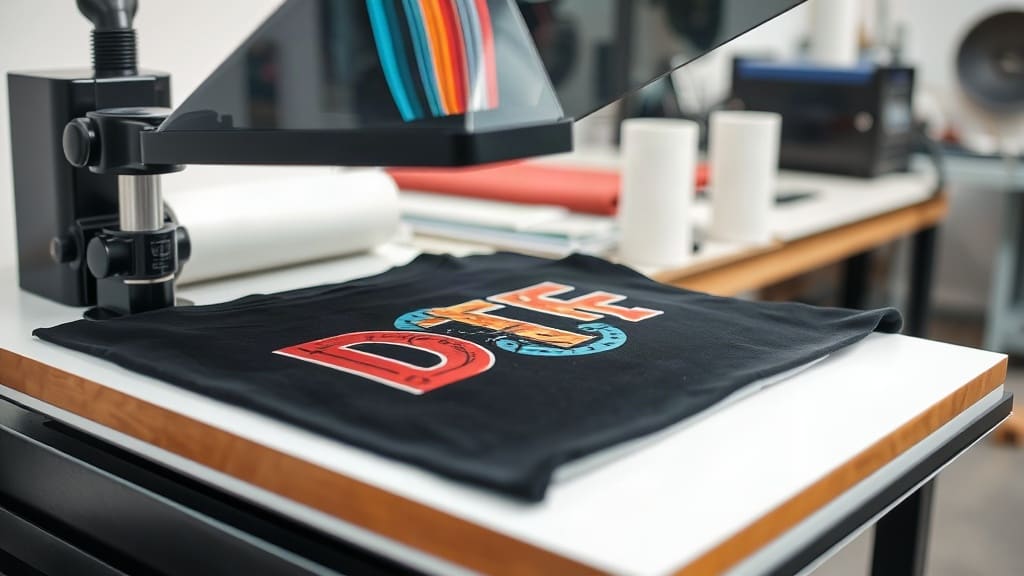
DTF transfers have taken the custom printing world by storm, offering a versatile and cost-effective way to create vibrant designs on various fabrics. Whether you're a small business owner looking to expand your product line or a hobbyist exploring new creative avenues, understanding this technology can open doors to endless possibilities. In this comprehensive guide, we'll dive deep into what DTF transfers are, how they work, and why they might be the perfect solution for your printing needs.
What Are DTF Transfers?
DTF (Direct to Film) transfers involve printing a design onto a special PET film, applying adhesive powder, and then heat pressing the film onto a garment. This process allows for detailed, full-color prints that are soft to the touch and durable. Unlike traditional screen printing, DTF transfers don't require screens, making them ideal for small runs and complex designs.
How DTF Transfers Work
The process might seem complicated, but it's actually quite straightforward once you break it down. Here's a step-by-step look at how to create your own DTF transfers:
- Print the design: Use a DTF printer with specialized CMYK ink to print your design onto a PET film. The film has a special coating that holds the ink.
- Apply adhesive powder: While the ink is still wet, sprinkle hot-melt adhesive powder over the printed areas. This powder is what sticks the design to the fabric.
- Heat cure the powder: Pass the film through a curing oven or use a heat press to melt the powder, ensuring it binds firmly to the ink.
- Store until needed: Once cured, the transfers can be stored and used later, which is great for on-demand production.
- Heat press onto garment: When you're ready to apply, place the film on your fabric and press with a heat press at around 320°F for 15 seconds. Peel off the film, and your print is done!
One of the biggest advantages is that you can print any design without worrying about colors or gradients. The quality is often comparable to screen printing but with much more flexibility.
Why Choose DTF Transfers?
There are several reasons why DTF transfers have become a favorite among custom printers:
- Versatility: DTF transfers work on a wide range of fabrics, including cotton, polyester, blends, and even nylon.
- No screens or setups: Unlike screen printing, there's no need for screens or complex setups, reducing costs and time.
- Full-color details: Achieve photorealistic prints with smooth gradients and fine details.
- Soft feel: The prints are soft to the touch, making them comfortable to wear.
- Durability: With proper care, DTF prints can last as long as screen prints, resisting cracking and fading.
- Cost-effective for small runs: Whether you need one shirt or one hundred, DTF is economical without minimums.
DTF Transfers vs. Other Methods
To fully appreciate DTF, it helps to compare it with other popular printing methods:
DTF vs. Screen Printing
Screen printing is great for large orders with simple designs, but it involves significant upfront costs for screens. DTF, on the other hand, allows you to print complex, colorful designs on demand, making it perfect for small batches and personalized items.
DTF vs. Direct-to-Garment (DTG)
DTG printing applies ink directly onto the garment, which is excellent for single items but can be slow for larger quantities. DTF transfers can be pre-printed and pressed quickly, increasing productivity.
DTF vs. Heat Transfer Vinyl (HTV)
HTV is limited to cut-out shapes and solid colors, while DTF allows for full-color, detailed prints. HTV is also less durable over time.
Applications of DTF Transfers
The versatility of DTF transfers means they're used across many industries:
- Apparel customization: T-shirts, hoodies, sweatshirts, and more.
- Sportswear: Team jerseys, practice gear, and fan merchandise.
- Promotional products: Tote bags, caps, and other promotional items.
- Personalized gifts: Customized items for birthdays, weddings, or corporate events.
Getting Started with DTF Transfers
If you're ready to dive in, here are some essential tips:
Invest in Quality Equipment
You'll need a DTF printer (often an Epson-based model with DTF conversion), PET film, adhesive powder, and a heat press. Quality matters, so choose reputable brands and consumables.
Master the Art of Pre-Press
Proper pre-press is crucial for a successful transfer. Ensure your garment is clean and press it for a few seconds to remove moisture and wrinkles.
Follow Temperature and Time Guidelines
Different films and fabrics require specific heat settings. Always test on a sample to find the optimal time and temperature for your materials.
Care for Your Transfers
Store unused transfers in a cool, dry place away from direct sunlight. For finished garments, advise customers to wash inside out in cold water and avoid using fabric softeners.
Common Mistakes to Avoid
Even experienced printers can run into issues. Here are some pitfalls to watch out for:
- Using too much or too little adhesive powder: This can lead to poor adhesion or a gritty feel.
- Skipping the curing step: Without proper curing, the powder won't bind correctly.
- Incorrect pressure: Too little pressure and the transfer won't stick; too much can cause bleed.
- Not peeling at the right time: Follow the instructions for hot or cold peel to avoid damaging the print.
Frequently Asked Questions
Can DTF transfers be used on dark fabrics?
Yes, DTF transfers work exceptionally well on dark fabrics. The white ink layer acts as an underbase, ensuring colors stay vibrant.
How long do DTF transfers last?
With proper application and care, DTF prints can last for many washes, often outlasting the garment itself. They're known for their durability and resistance to cracking.
Do I need a special printer for DTF?
Yes, you need a printer that can handle DTF inks and PET film. Many people convert standard Epson printers, but you can also purchase pre-built DTF printers.
Can I use DTF transfers on materials other than fabric?
While primarily designed for textiles, DTF transfers can also be applied to hard surfaces like wood, metal, and glass, as long as they can withstand the heat press.
Is DTF printing expensive to start?
Initial equipment costs can vary, but there are budget-friendly options for beginners. Consumables are relatively affordable, and the ability to produce small runs without minimums can save money in the long run.
Final Thoughts
DTF transfers are an exciting development in the printing industry, offering flexibility and quality that were previously hard to achieve without significant investment. Whether you're starting a business or just exploring a new hobby, mastering DTF transfers can empower you to create custom apparel that stands out. Remember, practice makes perfect. Start with simple designs, experiment with different settings, and soon you'll be producing professional-grade prints from the comfort of your own workspace.