
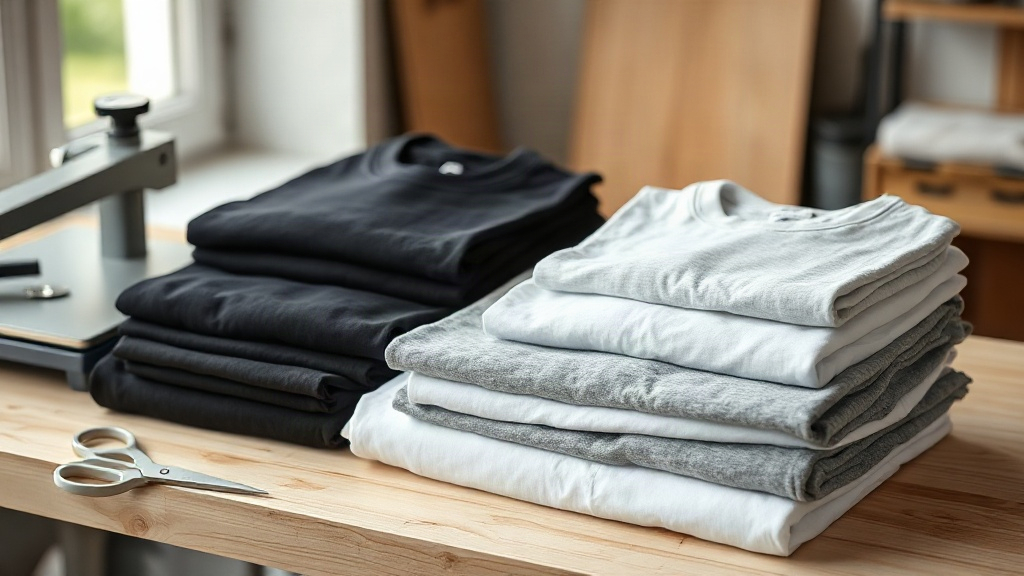
Walk into any screen print shop that handles streetwear accounts and you will eventually spot a stack of Shaka Wear blanks sitting near the press. The brand built its reputation on a simple promise: heavy cotton at a price that does not eat the entire margin on a custom job. That combination made it a quiet workhorse in the blank apparel world, especially for anyone printing boxy tees, hoodies, and long sleeves that need to hold their shape after a dozen washes. If you run a small apparel brand or you are about to place your first bulk order, understanding what Shaka Wear actually delivers matters more than any hype around the label.
What Makes Shaka Wear Blanks Different
Most blank brands compete on softness or on price. Shaka Wear leans hard into weight and structure. Their classic tee sits around 6.5 to 7 ounces per square yard depending on the style, which puts it well above the standard 4.3 ounce ringspun tee you find in craft stores. That extra ounce or two changes how the garment behaves in three ways that matter to anyone printing or wearing it.
First, the fabric drapes with more body. A heavier knit does not cling or go translucent under studio lighting, which is why photographers and content creators tend to reach for it. Second, the collar holds its shape. Shaka uses a ribbed crew neck with decent recovery, so you are not looking at a stretched out neckline after a few wears. Third, the print surface is stable. Heavy cotton moves less under the heat press, which reduces the ghosting and misalignment issues that show up on flimsier blanks.
None of this is magic. It is just a thicker yarn, a tighter knit, and a cut that leans boxy rather than tapered. But those small decisions add up to a blank that feels like it costs more than it does.
Fabric Weight, Fit, and Cut Explained
Understanding the weight numbers
When a supplier lists a tee as 6.5 oz or 7 oz, that number describes the weight of one square yard of fabric, not the weight of the finished shirt. A heavier number generally means a denser, more opaque knit, but it also means the shirt will feel warmer and break in more slowly. For summer drops, a 6 oz tee is often the sweet spot. For fall and winter layering pieces, the 7 oz options earn their place.
Boxy versus standard fit
Shaka Wear is known for a boxier silhouette than mainstream retail brands. The shoulder seam sits slightly wider, the body is cut straighter through the waist, and the length runs a touch longer. If your customers are used to slim fit fashion tees, this will feel roomy. If they are used to vintage or skate silhouettes, it will feel right. Ordering a sample in your target size before committing to a full run is the only reliable way to judge this, because body proportions vary between their styles.
Shrinkage expectations
Cotton shrinks. That is not a flaw, it is physics. Heavyweight cotton typically shrinks somewhere in the range of 3 to 5 percent after the first hot wash and dry cycle. Pre-shrunk or garment-dyed versions shrink less. If you are printing a design that has to align perfectly across a seam, wash and dry one blank first, then measure it, then print. This one extra step saves a lot of angry messages later.
How Shaka Wear Performs With DTF Transfers
DTF printing has become the go-to method for small brands because it handles full color, gradients, and fine detail without the setup cost of screen printing. The good news is that heavyweight cotton like Shaka Wear takes DTF transfers very well, and there are a few practical reasons why.
- Stable surface: The denser knit does not stretch as much during pressing, so the transfer stays where you place it.
- Better opacity: Heavy cotton hides the slight texture of the transfer film better than thin, semi-sheer fabric.
- Heat tolerance: These blanks handle the 300 to 330 degree Fahrenheit press range without scorching, as long as you use a cover sheet and steady pressure.
- Durability: A properly applied transfer on a heavy tee tends to outlast the same transfer on a lightweight blank simply because the fabric does not pill or thin out as fast.
The main thing to watch is pressure. Too little pressure and the adhesive never fully bonds, which shows up as peeling after the third wash. Too much pressure on a thick seam can leave a visible press mark. A medium-firm setting with a 10 to 15 second dwell usually does the job, but every press runs a little differently, so test on a spare blank first.
Color choice and print contrast
Shaka Wear leans toward solid, saturated colors, and that works in your favor. White and light gray tees give you the most flexibility for colorful artwork. Black and navy hide print edges beautifully, which is useful when you are printing a design with a dark outline. If you plan to print white ink, remember that DTF transfers already carry their own white layer, so you do not need a white underbase the way you would with screen printing.
Choosing the Right Shaka Wear Style for Your Project
Not every job calls for the same blank. Here is a quick way to think through it.
- Everyday retail tee: Go with a 6 to 6.5 oz crew neck in a mid-weight cotton. It is comfortable enough to wear year round and heavy enough to feel premium.
- Streetwear drop: Step up to the heaviest option you can source. Boxy fit plus heavy cotton is the formula most streetwear buyers expect.
- Layering piece: Long sleeves and hoodies in the same weight range keep the collection consistent.
- Event or promo run: If budget is tight, a slightly lighter weight still carries the Shaka name without pushing your cost per unit too high.
Consistency matters more than any single spec. If your first drop used a specific weight and fit, your second drop should match it, or your returning customers will notice the difference immediately.
Care Instructions That Actually Extend the Life of the Print
You cannot control how every customer launders their shirt, but you can give them clear guidance, and that guidance protects your brand as much as the garment.
Wash inside out in cold water. Skip fabric softener, because it leaves a residue that breaks down the adhesive on DTF transfers over time. Tumble dry low or hang dry. If you iron, never touch the iron directly to the print; use a cloth barrier or press from the inside. These four habits alone will noticeably extend how long the design looks sharp.
Frequently Asked Questions About Shaka Wear
Is Shaka Wear true to size?
It generally runs true to size, but the fit is boxier and slightly longer than a standard fashion tee. If your customers prefer a fitted look, consider sizing down. If they like a relaxed streetwear feel, their normal size will work well.
Does Shaka Wear shrink a lot after washing?
Expect around 3 to 5 percent shrinkage on the first wash for standard cotton styles. Garment-dyed and pre-shrunk versions shrink less. Always wash and dry a test blank before printing anything that needs precise alignment.
Can you use DTF transfers on Shaka Wear shirts?
Yes, and they tend to perform well because the heavier cotton provides a stable, opaque surface. Use medium-firm pressure, a cover sheet, and a 10 to 15 second press at roughly 300 to 330 degrees Fahrenheit, then peel according to your film instructions.
Is Shaka Wear good for screen printing too?
Absolutely. The tight, heavy knit holds plastisol and water-based inks cleanly, and the flat surface reduces the risk of ink bleeding along the fibers. Many shops keep these blanks on hand specifically because they work across multiple print methods.
Where should I buy Shaka Wear blanks in bulk?
Compare authorized wholesale distributors rather than one-off retail listings. Buying from a distributor gives you consistent dye lots, better per-unit pricing, and a paper trail if a batch arrives with defects. Order a sample first, then scale up once you have confirmed the fit and feel match your brand.