
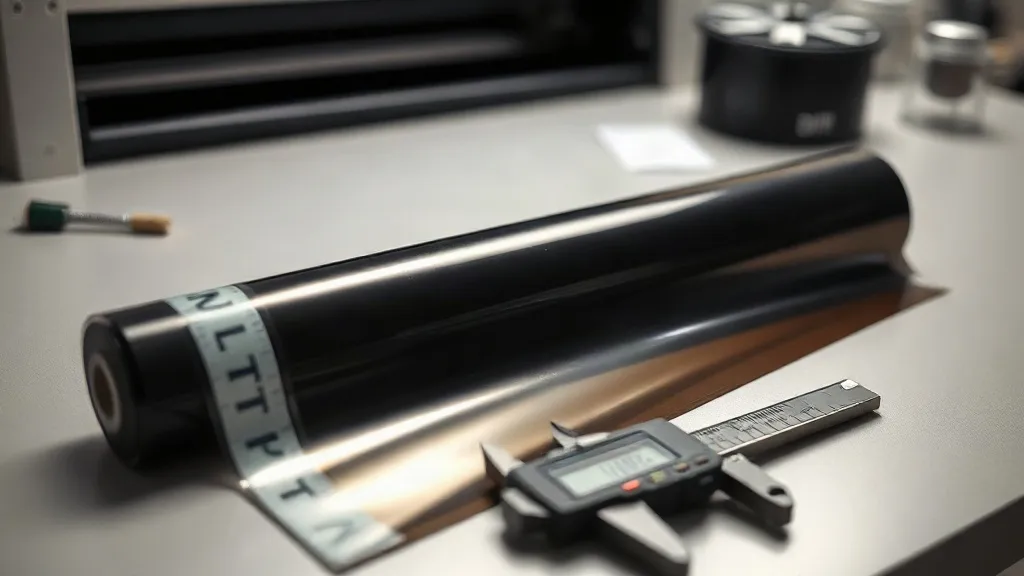
You have probably spent hours perfecting your DTF Gangsheet layout, balancing colors and nesting images to squeeze every inch of film. Yet if the film itself is wrong for your printer, ink, or powder, all that effort can literally peel away in the wash. Film is not a generic supply; it is a critical variable that affects ink absorption, powder adhesion, release, and the final hand feel. In this guide, we will cut through the marketing claims and look at what actually matters when selecting film for your DTF gangsheet production, so you can stop wasting money on reprints and start delivering consistent results.
Why Film Choice Deserves a Spot in Your Gangsheet Strategy
Most DTF discussions focus on file prep, color management, or powder application. Film often gets treated as a commodity: buy the cheapest roll that fits your printer and move on. That approach works until you hit problems like ink pooling, powder sticking to the wrong areas, or transfers that crack after a few washes. The truth is, film is the foundation of every gangsheet. Its thickness determines how it feeds through your printer and how well it handles heavy ink loads. Its coating controls how quickly ink dries and how evenly powder adheres. Its release layer dictates how easily the transfer separates from the carrier sheet, which directly impacts the final texture on the garment.
When you factor in the cost of ink, powder, labor, and potential reprints, saving a few cents per sheet on film can be a false economy. A slightly more expensive film that reduces failure rates by even 5% often pays for itself many times over. So before you build your next gangsheet, take a closer look at the film on your shelf.
Key Film Characteristics That Affect Gangsheet Quality
Not all DTF films are created equal. Here are the characteristics that matter most for gangsheet production.
Thickness and Stability
Film thickness is typically measured in microns (µm). Common ranges are 75 µm to 100 µm. Thinner films (75–80 µm) are more flexible and conform better to curved surfaces, but they can be trickier to feed through some printers, especially in high-humidity environments where static and curl become issues. Thicker films (90–100 µm) offer better dimensional stability and are less likely to jam, but they may feel stiffer on the garment. For gangsheets with dense ink coverage, a slightly thicker film can help prevent cockling and improve registration. Test a few thicknesses with your typical artwork to see what your printer handles best.
Coating and Ink Receptivity
The coating on the film is what receives the ink. A high-quality coating allows ink to wet out evenly without pooling, and it promotes fast drying so that powder can be applied without smearing. Poor coatings can cause ink to bead up, leading to mottled prints or incomplete transfer. If you notice that your prints look grainy or have missing dots, the film coating may be the culprit. Similarly, if powder tends to stick to areas where there is no ink, the coating might be too tacky or incompatible with your powder.
Release Layer Performance
The release layer determines how easily the transfer separates from the film after heat pressing. A good release layer allows the transfer to peel off cleanly without tearing or leaving residue. It also affects the hand feel: films with optimized release layers tend to produce softer prints because the transfer can be thinner. If you struggle with cold peel versus hot peel, note that some films are designed for a specific peel method. Using the wrong peel method can ruin an otherwise perfect gangsheet.
Environmental Resistance
DTF prints are expected to withstand repeated washing and wearing. Film quality influences durability: poor adhesion between ink and film can lead to cracking or fading after washing. While powder and pressing parameters also play a role, starting with a film that has good ink adhesion and a robust release layer gives you a solid foundation.
How to Evaluate Film for Your Shop
With so many films on the market, how do you choose? Follow these practical steps.
- Request samples: Most reputable suppliers offer sample packs. Test at least three films with your typical gangsheet designs, including full-color images, fine text, and large solid areas.
- Run a standardized test: Print the same gangsheet file on each film using identical settings. Apply powder and cure under the same conditions. Press onto identical garments and evaluate after 24 hours and after 5 washes.
- Check for consistency: Evaluate ink coverage, powder adhesion, release ease, and final hand feel. Also note any issues with film curl, static, or printer jams.
- Calculate true cost: Compare not just the price per sheet, but the yield. A film that allows tighter nesting or reduces reprints may be more cost-effective even at a higher price.
- Consider your climate: If you live in a humid area, choose films with anti-static or moisture-resistant properties. In dry climates, static might be less of an issue, but film curl can still occur.
Keep a log of your tests, including printer settings, powder type, and pressing parameters. Over time, you will build a profile of what works best for your shop.
Common Film Mistakes That Ruin Gangsheets
Even experienced operators can fall into these traps.
- Mixing film brands in one gangsheet: Different films may have different coating thicknesses or release properties, leading to inconsistent results across the sheet. Stick to one film per gangsheet.
- Using expired or improperly stored film: Film has a shelf life. Exposure to heat, sunlight, or humidity can degrade the coating. Store film in a cool, dry place and use it within the recommended timeframe.
- Ignoring printer compatibility: Some films are optimized for specific printer brands or ink types. Using an incompatible film can cause clogs or poor adhesion. Always check with your printer manufacturer or film supplier.
- Overlooking peel method: If your film is designed for cold peel but you peel hot, you may get a matte, cracked finish. Always follow the film's recommended peel method.
These mistakes often go unnoticed until you have a pile of rejected transfers. A little attention to detail upfront saves hours of frustration.
Matching Film to Your Gangsheet Volume and Workflow
Your production scale and workflow also influence film choice. High-volume shops benefit from films that feed reliably at speed and resist curling, even on long print runs. If you run a lot of gangsheets with heavy ink coverage, consider films with enhanced ink absorption to prevent pooling. For shops that offer quick turns and small batches, a film that releases easily and consistently may be more important than ultimate durability, because you want to minimize post-press handling.
Also think about your powder application method. If you use a powder shaker, a film with a slightly textured coating can help powder distribute evenly. If you use a manual powder application, you might prefer a smoother film that allows you to see excess powder easily. There is no one-size-fits-all answer; the best film is the one that fits your specific process.
Frequently Asked Questions About DTF Gangsheet Film
How do I know if my film is causing print defects?
Look for patterns. If defects appear only on certain areas of the gangsheet, it might be a file or printer issue. If they appear across the entire sheet, especially as poor ink adhesion or inconsistent powder pickup, the film is a likely suspect. Try a different film with the same file and settings to isolate the problem.
Can I use the same film for both hot and cold peel?
Most films are designed for one peel method. Using a cold-peel film with a hot peel can result in a matte finish or incomplete transfer. Always check the manufacturer's recommendation. Some films are marketed as dual-peel, but they may still perform better with one method.
What is the shelf life of DTF film?
Typically, unopened film has a shelf life of 6 to 12 months when stored in a cool, dry place away from direct sunlight. Once opened, use it within a few weeks to avoid moisture absorption and dust accumulation. If film feels clammy or shows signs of curling, it may be past its prime.
Does film thickness affect the hand feel of the final print?
Indirectly, yes. Thicker films often require more ink and powder to achieve full coverage, which can lead to a thicker transfer. However, the release layer and powder application have a bigger impact on hand feel. A well-optimized thin film with proper powder application can produce a softer print than a thick film with excess powder.
How can I reduce film waste when testing new films?
Use small test sheets rather than full gangsheets. Print a test pattern that includes solid blocks, gradients, and fine lines. You can also cut film samples to size and run them through your printer, provided your printer can handle smaller sheets. Always run a nozzle check before testing to ensure the printer is in good condition.
Choosing the right film for your DTF gangsheet is not about finding the cheapest option; it is about finding the film that consistently delivers the quality your customers expect. By understanding the key characteristics, testing systematically, and avoiding common mistakes, you can turn film selection into a competitive advantage. Remember, every gangsheet you produce is a reflection of your shop's standards, and the film you choose is the first step in that process.