
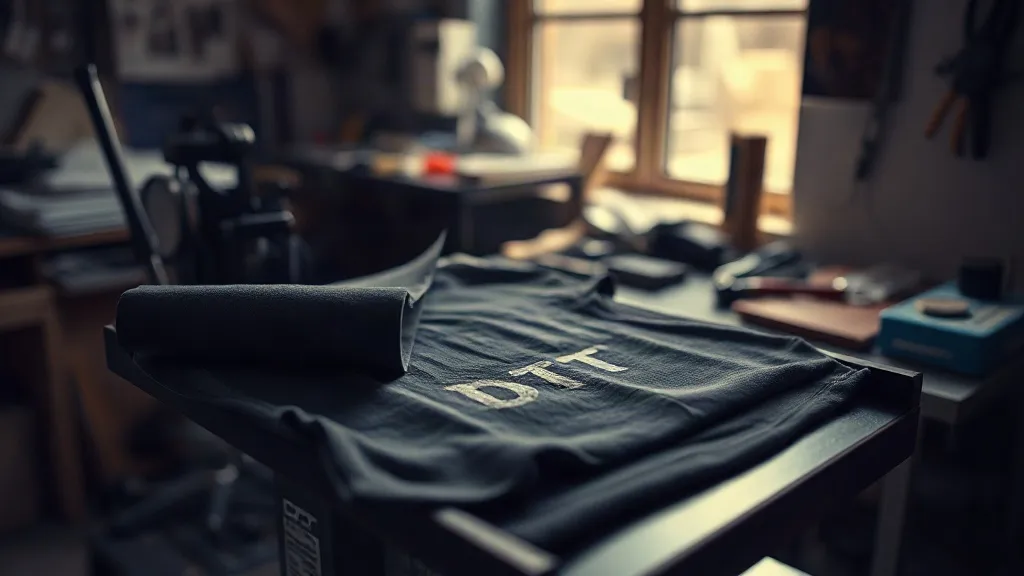
A press operator pulls a freshly pressed shirt off the platen, peels the film back, and watches a chunk of the design stay stuck to the sheet. The customer is due in an hour. Nine times out of ten, that failure was set in motion long before the press closed. The most expensive dtf transfers problems are not caused by a bad supplier or a cursed batch of film. They come from small procedural habits that nobody notices until a print falls apart. This piece is about those habits.
Below are the mistakes that show up most often in real shops, why each one wrecks a dtf print, and what to change so you stop losing garments, time, and margin.
Mistake 1: Treating Film Storage Like It Does Not Matter
Powder and film are both moisture magnets. A box left near an open bay door, a roll stored in a humid back room, or a sheet that sat on the press table overnight will absorb water from the air. You will not see it. You will feel the consequences on press.
Wet film behaves differently from dry film. The adhesive powder can clump, the ink can smear during pressing, and the cured layer may crack after the first wash. The fix is boring but effective:
- Store unopened film flat, in its original bag or box, away from sunlight and heat sources.
- Keep a silica pack in any opened pack and reseal it after every use.
- Let cold film come to room temperature in its sealed bag before printing. Condensation forms when you skip this step.
- Print on the day you press whenever possible. Film that has been sitting for weeks is more likely to misbehave.
A cheap hygrometer near your storage shelf tells you more about your print quality than most people realize. If the room is reading above 60% relative humidity, your film is picking up moisture whether you notice it or not.
Mistake 2: Guessing at Press Settings Instead of Testing
Every garment has a different thermal personality. A cotton tee, a 50/50 hoodie, and a polyester jersey will all press a dtf transfer differently at the same settings. Operators who skip a test press on a new blank are the ones who call the supplier angry the next day.
The variables that matter most are temperature, pressure, time, and peel method. Most DTF films sit comfortably in the 150 to 165 degree Celsius range, but the correct setting depends on the film, the fabric weight, and how evenly your platen heats. A heat gun or infrared thermometer across the platen surface is a quick way to catch cold spots that cause patchy adhesion.
Pressure is the variable people overlook. Too little pressure and the adhesive never fully engages with the fabric fibers. Too much and the print can spread, look flattened, or pick up texture from the garment. A medium, even pressure that leaves a clean impression on a test shirt is a good benchmark. Once you find settings that work for a fabric, write them down and tape the note to the press.
Mistake 3: Peeling at the Wrong Moment
Hot peel and cold peel are not interchangeable. Some films are built for a fast hot peel while the print is still warm. Others need to cool completely before the carrier sheet comes off, or the design will tear, stretch, or lift at the edges.
If you do not know which type you have, run a small test on scrap fabric. Press one, peel immediately, and inspect. Press another, let it cool for a full minute, and inspect. The one that comes away clean tells you what your film wants. Skipping this step is one of the most common ways a shop quietly ruins a run of shirts. Pulling a cold-peel film too early is a mistake you can only make once before the habit sticks.
Mistake 4: Blaming the Film for a Fabric Problem
DTF is versatile, but it is not magic. Some fabrics fight back. Nylon, heavily coated performance wear, and certain water repellent finishes can resist the adhesive. The transfer looks fine on press, then flakes after a wash cycle or two.
Before committing a full order, press a sample on the actual garment you plan to decorate. Wash it once, inside out, and inspect. That one test saves you from a complaint you cannot argue your way out of. If the fabric is the problem, a pre-press or a different garment blend may be the answer, not a new film supplier.
Mistake 5: Skipping the Post-Press Care Conversation
The customer who destroys a beautiful print in the first wash is not being careless. Nobody told them what to do. A dtf print is durable, but it has rules. Wash inside out, cold water, no fabric softener, no direct iron on the print, and tumble dry low or hang dry.
Print a small care card and include it with every order. It costs pennies and prevents the kind of complaint that makes a shop look amateur. The shops that grow on repeat business are usually the ones that treat aftercare as part of the product, not fine print.
Mistake 6: Assuming Any Supplier Is the Same
Film quality varies more than most buyers expect. Cheap film can have uneven powder coating, inconsistent adhesive, or a carrier sheet that releases badly. The result is prints that look fine on day one and fail on day thirty.
Ask for samples before you commit to a bulk order. Test them on your own press, with your own garments, and check the results after a few washes. If you are searching for dtf transfers near me and only comparing on price, you are likely comparing the wrong number. A slightly higher cost per sheet that presses cleanly every time is cheaper than a bargain film that wastes garments.
Mistake 7: Ignoring the Little Things That Add Up
Some failures are not dramatic. They are the slow erosion of quality that comes from small shortcuts. Lint on the platen. A wrinkled garment under the transfer. A carrier sheet that was reused when it should have been tossed. Ink that sat in the printer too long without a maintenance cycle.
None of these will ruin a print on their own every time. Together, they turn a reliable process into a guessing game. A five minute pre-press checklist, kept visible next to the press, keeps the small stuff from becoming the reason a job goes wrong.
Frequently Asked Questions
Why did my DTF transfer peel off after the first wash?
The most likely causes are insufficient pressure during pressing, a fabric that resists the adhesive, or film that absorbed moisture before use. Re-press on a sample of the same garment with slightly higher pressure and confirm the film was stored dry. If it still peels, the fabric is probably the issue.
Can I reuse the carrier film after pressing?
Generally no. The carrier sheet is designed for a single press. Reusing it can leave residue on the film or transfer unevenly, and the risk is not worth the small savings. Use a fresh sheet for every press.
How long should I wait before washing a freshly pressed DTF print?
Give the print at least 24 hours to settle before the first wash. Wash inside out in cold water and avoid fabric softener, which can break down the adhesive layer over time. Following these steps greatly extends the life of the print.
Does DTF work on dark and light fabrics equally well?
Yes. DTF uses a white ink layer under the color, so it performs well on both dark and light garments. The bigger variable is the fabric composition, not the color. Always test on the exact garment you plan to sell.
What is the most common reason a DTF print looks dull after pressing?
Dullness usually comes from too much pressure, a platen that is not evenly heated, or pressing a garment that still has moisture in it. Check your temperature across the platen and press a dry, lint free test shirt before running a batch.