
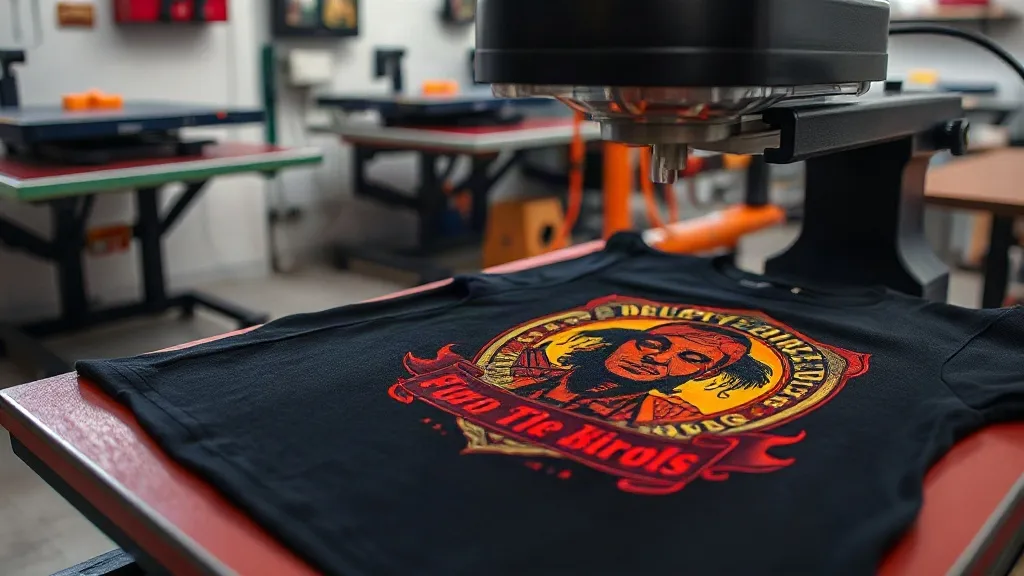
If you've been exploring custom apparel printing, you've likely encountered dtf transfers. This innovative method is rapidly gaining popularity among hobbyists and professionals alike, offering vibrant colors and durability that rival traditional techniques. In this guide, we'll walk you through everything you need to know about DTF printing, from the basics to advanced tips, so you can decide if it's right for your projects.
What Are DTF Transfers?
DTF stands for Direct to Film. It's a printing process where your design is printed onto a special film, then coated with a powder adhesive, and finally heat-pressed onto fabric. Unlike DTG (Direct to Garment) or screen printing, DTF doesn't require pre-treatment of the fabric, and it works on a wide range of materials, including cotton, polyester, blends, and even some synthetics.
The dtf method involves creating a mirror-image print on film using pigment-based inks. Once printed, a hot-melt powder is applied to the wet ink, which acts as the adhesive when heated. The film is then cured and can be stored for later use or immediately applied to a garment with a heat press.
Why Choose DTF Transfers?
There are several compelling reasons to consider DTF for your next project:
- Versatility: Works on almost any fabric, including dark colors and synthetic materials.
- Durability: The prints resist cracking, peeling, and fading even after multiple washes.
- No pre-treatment: Saves time and equipment costs compared to DTG.
- Vibrant colors: Achieve high-detail, full-color designs with ease.
- Cost-effective for small batches: Ideal for one-offs or small runs without the setup costs of screen printing.
How to Apply DTF Transfers
Applying a DTF transfer is straightforward if you follow the right steps. Here's a quick guide:
- Preheat your heat press to around 150-160°C (300-320°F).
- Place the garment on the press and pre-press for a few seconds to remove moisture.
- Position the transfer with the printed side down on the fabric.
- Press with medium pressure for 10-15 seconds.
- Peel the film while it's still hot (or cold, depending on the film type).
- Post-press for a few seconds with a Teflon sheet or parchment paper to ensure adhesion.
Always test on a scrap piece first to dial in your press settings.
Finding Quality DTF Transfers
When searching for dtf transfers near me, you'll want to ensure you're getting high-quality products. Look for suppliers who use premium inks and films, and who provide clear instructions. Online retailers like dtfprintme.com offer a range of DTF transfers and supplies, with fast shipping and customer support.
If you're new to DTF, consider starting with a sample pack to test different films and powders. This will help you understand how your heat press performs with various materials.
Common Mistakes to Avoid
Even experienced printers can run into issues with DTF. Here are some common pitfalls and how to avoid them:
- Insufficient pressure: Leads to poor adhesion. Make sure your press is calibrated.
- Wrong temperature: Too hot can scorch the film; too cold means the adhesive won't melt properly.
- Peeling too early or too late: Follow the film manufacturer's instructions for hot vs. cold peel.
- Not storing transfers properly: Keep them in a cool, dry place to prevent the powder from absorbing moisture.
DTF vs. Other Printing Methods
How does DTF stack up against DTG and screen printing? Here's a quick comparison:
- DTF: Best for small batches, complex designs, and a wide range of fabrics. No pre-treatment needed.
- DTG: Ideal for 100% cotton, but requires pre-treatment and can be less durable on synthetics.
- Screen printing: Most cost-effective for large orders, but setup costs are high and color options are limited per screen.
Frequently Asked Questions
Can I use DTF transfers on dark shirts?
Yes, DTF transfers work excellently on dark fabrics. The white ink layer in the transfer ensures the design pops, and the adhesive bonds well to the fabric.
How long do DTF transfers last?
With proper application and care, DTF prints can last as long as the garment itself, often 50+ washes without significant fading or cracking.
Do I need a special printer for DTF?
You can either purchase a dedicated DTF printer or buy pre-printed transfers from a supplier. For beginners, buying transfers is more cost-effective.
What fabrics are not suitable for DTF?
DTF works on most fabrics, but avoid using it on materials with a very loose weave or those that cannot withstand heat (e.g., some nylons or delicate fabrics).
Where can I buy DTF transfers?
You can find DTF transfers at specialty printing suppliers, online stores like dtfprintme.com, or local print shops. Always check reviews for quality.
DTF printing opens up a world of possibilities for custom apparel. Whether you're a small business owner or a DIY enthusiast, understanding the process and investing in quality supplies will set you up for success. Give DTF a try and see the difference for yourself.