
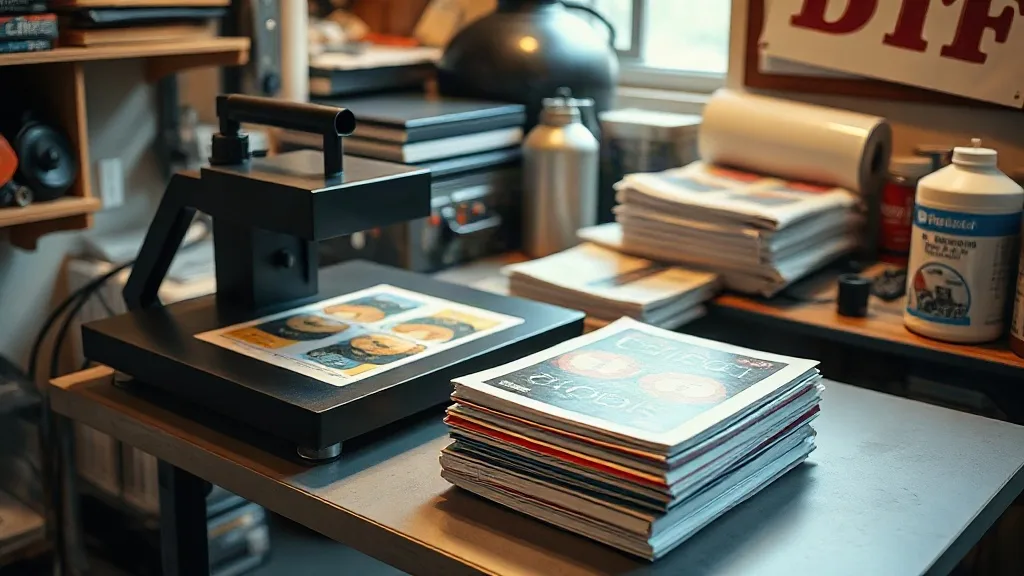
When you run a small print shop, every job counts. You need methods that are reliable, cost-effective, and produce results your customers will love. DTF transfers have become a go-to solution for many shops, and for good reason. This guide will walk you through the essentials of DTF printing, from understanding the technology to choosing the right supplies and applying them like a pro. Whether you're new to DTF or looking to refine your process, you'll find practical advice here.
What Are DTF Transfers and Why They Matter
DTF stands for Direct to Film. It's a printing method where your design is printed onto a special film, then coated with a powder adhesive, and finally transferred to fabric using a heat press. Unlike DTG (Direct to Garment) printing, which requires the shirt to be loaded into the printer, DTF transfers are printed separately and can be stored until needed. This flexibility is a game-changer for small shops that handle a variety of orders.
The process involves several steps: designing the artwork, printing it onto the film using a DTF printer with special inks, applying the adhesive powder, and curing the powder. The result is a transfer that can be applied to a wide range of fabrics, including cotton, polyester, blends, and even some non-woven materials. The transfers are known for their vibrant colors, fine detail reproduction, and durability.
The Advantages of DTF for Small Shops
Why are dtf transfers so popular among small print shops? First, there's no need for pre-treatment, which saves time and avoids chemical hassles. Second, DTF works on dark and light fabrics without needing separate white toner or underbase. Third, the transfers are stretchable and can withstand multiple washes without cracking or fading. Finally, the cost per print is often lower than other methods, especially for short runs.
Choosing the Right DTF Transfers for Your Shop
Not all DTF transfers are created equal. The quality of the film, ink, and powder plays a huge role in the final outcome. When sourcing dtf transfers near me, consider these factors:
- Film quality: Look for films that release cleanly and resist curling. Cheap films can cause application problems.
- Ink vibrancy: High-quality inks produce richer colors and better detail. Ask for samples to test.
- Powder adhesion: The adhesive powder should melt evenly and bond strongly to the fabric. Poor powder can lead to premature peeling.
- Supplier reputation: Choose a supplier with good reviews and a track record of consistent quality.
If you're searching for dtf transfers near me, you might find local suppliers or online stores that ship quickly. Local pickup can save on shipping costs and time, but online options often have a wider selection. Weigh your priorities: speed, cost, or variety.
How to Test a New Supplier
Before committing to a large order, order a sample pack. Print a test design that includes fine lines, small text, and gradients. Apply the transfer to a few different fabrics (cotton, polyester, blend) and wash them according to the instructions. Check for color bleed, cracking, and adhesion. A good supplier will stand behind their product and offer support if issues arise.
Step-by-Step Application Guide
Applying DTF transfers correctly is crucial for a professional finish. Follow these steps for best results:
- Preheat the fabric: Set your heat press to the recommended temperature (usually 300-320°F or 150-160°C). Prepress the garment for 5-10 seconds to remove moisture and wrinkles.
- Position the transfer: Place the transfer on the fabric with the printed side up. Use heat-resistant tape to hold it in place if needed.
- Press: Apply medium pressure for 10-15 seconds. The exact time depends on the transfer size and fabric type. Check the supplier's instructions.
- Peel: Wait a few seconds for the transfer to cool slightly, then peel the film off in a smooth, continuous motion. For a matte finish, peel while hot; for a glossy finish, peel when cold.
- Post-press: Cover the design with parchment paper or a Teflon sheet and press again for 5-10 seconds to ensure the adhesive fully bonds.
Always do a test press on a scrap piece of fabric to dial in your settings. Different fabrics may require slight adjustments.
Common Mistakes to Avoid
Even experienced printers make mistakes. Watch out for these common pitfalls:
- Pressing too hot: Excessive heat can scorch the fabric or cause the transfer to become brittle.
- Insufficient pressure: Low pressure leads to poor adhesion and early peeling.
- Peeling too soon or too late: Follow the recommended peel timing for your specific transfer.
- Not pre-pressing: Skipping pre-press can trap moisture and cause bubbling.
DTF vs. Other Printing Methods
How does DTF stack up against screen printing, DTG, and vinyl? Here's a quick comparison:
- Screen printing: Better for large orders and bold designs, but setup costs are high. DTF is more cost-effective for short runs and complex designs.
- DTG: Great for cotton, but requires pre-treatment and can be slower. DTF works on more fabrics and has no pre-treatment.
- Vinyl: Good for simple one-color designs, but not for detailed or multi-color prints. DTF handles intricate details with ease.
For small shops that need versatility, DTF often wins.
Caring for DTF-Printed Garments
To ensure your customers get the most out of their DTF-printed apparel, share these care instructions:
- Wash inside out in cold water.
- Use mild detergent; avoid bleach and fabric softeners.
- Tumble dry low or hang dry.
- Do not iron directly on the print; use a pressing cloth.
With proper care, DTF prints can last as long as the garment itself.
Frequently Asked Questions
How long do DTF transfers last?
With proper application and care, DTF transfers can last 50+ washes or more. The key is using quality supplies and following the correct pressing and washing instructions.
Can I use DTF transfers on 100% polyester?
Yes, DTF works well on polyester, but you may need to adjust the pressing temperature. Polyester is sensitive to high heat, so use a lower temperature (around 280-300°F or 140-150°C) and a shorter press time to avoid melting or scorching.
What is the difference between DTF and DTG?
DTF (Direct to Film) prints the design onto a film, then transfers it to fabric, while DTG (Direct to Garment) prints directly onto the garment. DTF works on more fabrics and doesn't require pre-treatment, but DTG can produce a softer feel on cotton.
Do I need a special printer for DTF?
Yes, DTF requires a printer that uses DTF inks and can handle the film. However, many small shops buy pre-printed transfers from suppliers, which eliminates the need for a printer.
How do I find a reliable DTF transfer supplier?
Look for suppliers with positive reviews, clear product specifications, and responsive customer service. Order samples to test quality before committing to larger orders. Searching for dtf transfers near me can help you find local suppliers for faster turnaround.