
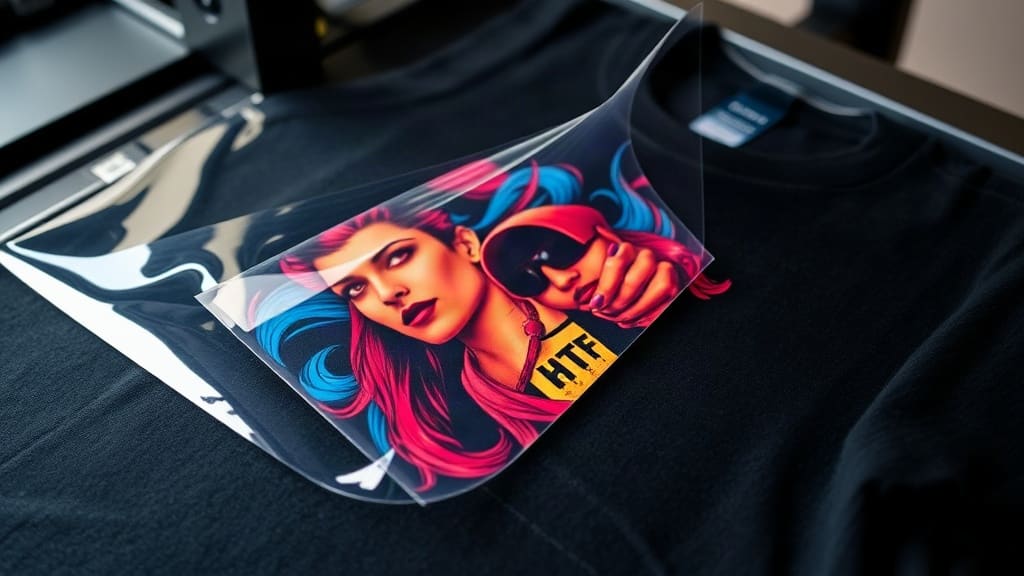
DTF transfers have taken the custom printing world by storm, offering a flexible and cost-effective way to create vibrant, durable designs on a wide range of fabrics. Whether you're a small business owner, a hobbyist, or a large-scale printer, understanding this technology can open up new possibilities for your products. In this comprehensive guide, we'll explore what DTF transfers are, how they work, their benefits, and how to get the best results.
What Are DTF Transfers?
DTF stands for Direct to Film. It's a printing method where a design is printed onto a special PET film with a white toner-based ink, then coated with an adhesive powder and heat-pressed onto a garment. Unlike traditional screen printing or vinyl, DTF transfers allow for highly detailed, full-color prints with soft hand-feel and excellent durability.
The process is simple: you print your design on the film, apply adhesive powder, cure it, and then transfer it with a heat press. This makes it ideal for on-demand printing, small batches, and custom orders.
How Do DTF Transfers Work?
The magic of DTF lies in its simplicity and versatility. Here's a step-by-step breakdown:
- Print: Use a specialized DTF printer with CMYK+White inks to print your design mirror-image onto a PET film.
- Adhesive: Apply a hot-melt adhesive powder to the wet ink. Shake off the excess.
- Cure: Melt the powder in a curing oven or with a heat press to create a tacky layer.
- Transfer: Place the film on your fabric, apply heat and pressure with a heat press for about 15-20 seconds at 160°C, and peel.
This technique works on cotton, polyester, blends, nylon, and even leather, making it a go-to for custom t-shirts, hoodies, tote bags, and more.
Why Choose DTF Transfers?
DTF transfers offer several compelling advantages over other printing methods:
- Vibrant colors: The white ink underbase ensures colors pop on dark garments.
- Soft hand-feel: The print is flexible and doesn't crack easily.
- Durability: Prints can withstand 50+ washes if cared for properly.
- No weeding: Unlike vinyl, there's no tedious weeding of excess material.
- Full-color realism: Gradients, photos, and intricate details are reproduced with high fidelity.
- On-demand: Print only what you need, reducing waste and inventory costs.
DTF vs. Other Printing Methods
To truly appreciate DTF, it's helpful to compare it to alternatives:
DTF vs. Screen Printing
Screen printing is cost-effective for large quantities but requires setup time and significant upfront costs. DTF is perfect for small to medium runs, offering lower setup costs and the ability to print variable data without extra steps.
DTF vs. Vinyl
Vinyl is great for simple shapes and one-color designs, but it lacks the ability to produce gradients or photographic prints. DTF handles full-color designs with ease and offers a softer feel.
DTF vs. DTG (Direct to Garment)
DTG is excellent for high-quality prints on cotton but struggles with polyester and dark fabrics. DTF works on virtually any fabric and doesn't require pre-treatment, making it more versatile.
Getting Started with DTF Transfers
If you're ready to dive in, here's what you need to know:
Essential Equipment
- DTF Printer: A printer with CMYK+White, like an Epson with aftermarket DTF conversion or a dedicated DTF printer.
- PET Film: High-quality film designed for DTF with good ink absorption.
- Adhesive Powder: Hot-melt powder that activates under heat.
- Heat Press: A clamshell or swing-away press with precise temperature control.
- Curing Oven (optional): For faster, more consistent powder melting.
Choosing the Right Materials
Invest in quality inks and films. Cheap materials can lead to poor adhesion, dull colors, or cracking. At dtfprintme.com, we provide premium supplies and ready-made transfers to ensure professional results.
Best Practices for Perfect DTF Transfers
To achieve flawless prints, follow these tips:
- Calibrate your printer: Ensure color profiles are correct for your film and inks.
- Use enough powder: Insufficient adhesive leads to peeling. Apply a generous layer and shake off excess.
- Optimize heat press settings: For most garments, 160°C for 15-20 seconds at medium to firm pressure works well. Adjust based on fabric.
- Peel warm or cold as required: Some films require hot peeling, others cold. Check your film's instructions.
- Test before full run: Always do a test print to check color and adhesion.
- Proper care instructions: Wash inside out in cold water, avoid bleach, and dry on low heat to extend print life.
Common Issues and How to Fix Them
Even veterans encounter problems. Here are solutions to typical issues:
- Poor adhesion: Increase temperature or pressure, or apply more powder.
- Colors looking washed out: Increase ink saturation or lower heat press time to avoid burning the film.
- Print cracking: Use a stretchable film or adjust powder type; ensure the garment isn't over-stretched during pressing.
- Residue on film: Clean your printer heads and use quality ink.
DTF Transfers for Business
DTF is a game-changer for entrepreneurs. You can start small with a desktop setup and grow. Many businesses use DTF transfers to offer custom apparel without investing in expensive screen printing equipment. You can also partner with a service like dtfprintme.com to order transfers on demand, saving time and money.
Cost-Effectiveness
DTF transfers have a lower cost per print for small quantities compared to screen printing. There's no minimum order, and you can print a single item at a time, which is ideal for personalized gifts or sample orders.
Scalability
As your orders grow, you can easily increase production by adding more printers or outsourcing to a professional service. The flexibility of DTF allows you to handle rush orders and offer a wide range of products without huge inventory.
Frequently Asked Questions
What fabrics are best for DTF transfers?
DTF transfers work well on cotton, polyester, blends, and even nylon. For best results, use fabrics with a smooth surface and no heavy texture. Test on a small area if unsure.
How many washes can DTF prints withstand?
With proper care, DTF prints can last 50 washes or more. Washing inside out in cold water and avoiding fabric softeners helps preserve the print.
Can I use DTF transfers on dark garments?
Yes, DTF is excellent for dark fabrics because the white ink layer ensures vibrant colors that stand out. This is a major advantage over other methods.
Do I need a special printer for DTF transfers?
Yes, you need a printer that can handle white ink, typically a piezoelectric printhead like Epson's. Many standard printers can be converted, but dedicated DTF printers are more reliable.
What is the difference between DTF and sublimation?
Sublimation works only on polyester and requires a polymer coating. DTF can print on any fabric and doesn't require special coatings, making it more versatile.
Final Thoughts
DTF transfers are a fantastic addition to any printing business or DIY enthusiast's toolkit. They offer unmatched flexibility, quality, and ease of use. By understanding the process and following best practices, you can create stunning, durable prints that will impress your customers or friends. Whether you're just starting or looking to expand, DTF is a smart investment.
If you're ready to try DTF transfers, consider using a trusted provider for your supplies or even ready-made transfers. At dtfprintme.com, we offer high-quality products and support to help you succeed. Start your DTF journey today and unlock endless creative possibilities.