
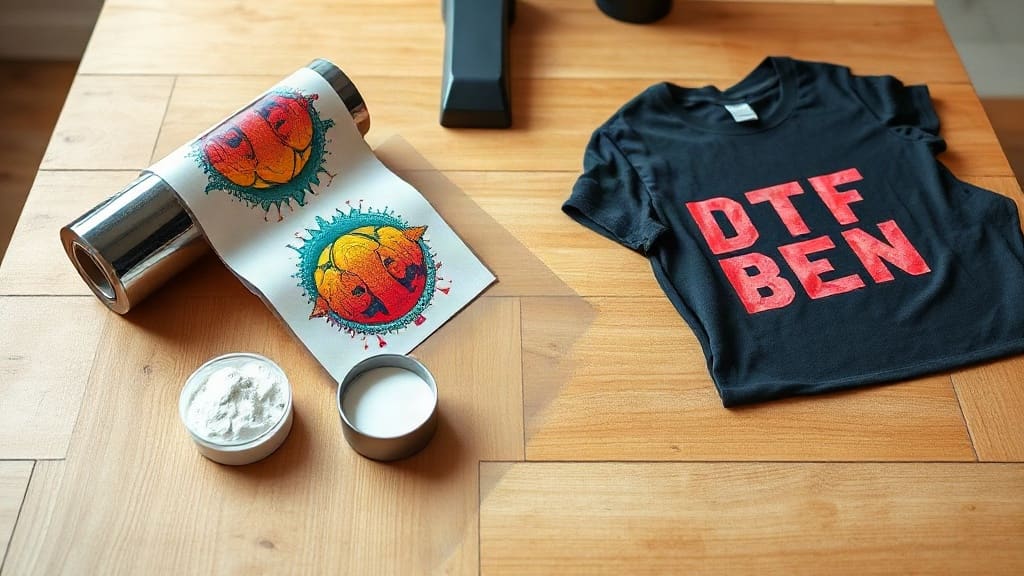
DTF transfers have taken the custom printing industry by storm, offering a versatile and cost-effective way to create vibrant designs on fabrics. Whether you're a small business owner looking to expand your product line or a hobbyist exploring new techniques, understanding this technology can open doors to endless creative possibilities. In this comprehensive guide, we'll dive deep into what DTF transfers are, how they work, their benefits over other methods, and practical tips to ensure your prints come out flawless every time.
What Are DTF Transfers?
DTF transfers (Direct to Film) involve printing your design onto a special PET film using a specialized printer and then transferring that design onto fabric using a heat press. Unlike traditional methods like screen printing, DTF allows for high-detail, full-color prints with no setup costs, making it ideal for small runs and complex designs.
How Does the DTF Process Work?
The process begins with printing your artwork onto a clear PET film using a DTF printer, which uses CMYK plus white ink. After printing, a powdered adhesive is applied to the wet ink, and the film is heated to melt the adhesive into a tacky state. This film is then placed onto the fabric with the design side down, and heat and pressure are applied using a heat press. The adhesive bonds the ink to the fabric, and once peeled away, you're left with a soft, vibrant print that can withstand repeated washing.
Advantages of DTF Transfers
Why have DTF transfers become so popular? Here are some key benefits:
- Versatility: Works on a wide range of fabrics including cotton, polyester, blends, and even leather.
- No weeding: Unlike vinyl, you don't need to weed out excess material, saving time.
- High detail: Prints sharp images with gradients and fine lines effortlessly.
- Soft hand feel: The prints are flexible and don't crack easily.
- Cost-effective for small batches: No screen setup fees, so you can print one or many.
DTF Transfers vs. Other Printing Methods
To truly appreciate DTF transfers, it helps to compare them to other popular techniques.
DTF vs. DTG (Direct to Garment)
DTG printers spray ink directly onto the garment, which works well for cotton but struggles on synthetic fabrics. DTF, on the other hand, can print on virtually any fabric and often produces more vibrant colors on dark materials because of the white underbase.
DTF vs. Screen Printing
Screen printing is ideal for large orders with simple designs, but it requires significant setup and is costly for small quantities. DTF offers a quicker turnaround and is perfect for custom orders, but for hundreds of identical shirts, screen printing might still be more economical.
DTF vs. Vinyl Cutting
Vinyl cutting is limited to solid colors and simple shapes, and weeding is tedious. DTF allows full-color prints with no weeding, making it a superior choice for detailed artwork.
What Do You Need to Start with DTF?
If you're considering adding DTF to your business or hobby, here's a checklist of essential equipment:
- DTF Printer: Look for a model that supports CMYK plus white ink. Some popular options include Epson and Ricoh modded systems.
- PET Film: Specifically designed for DTF, available in rolls of various widths.
- Adhesive Powder: This hot-melt powder activates during heat press.
- Heat Press: A reliable press that can reach at least 300°F (150°C).
- Curing Oven or Heat Gun: To pre-melt the powder before pressing, though some press directly.
Step-by-Step Guide to Making DTF Transfers
Creating your own transfers can be rewarding. Follow these steps for best results:
Step 1: Design and Print
Prepare your artwork in high resolution (300 DPI). Mirror the image before printing. Use a DTF printer to print onto the film using the correct settings.
Step 2: Apply Adhesive Powder
While the ink is still wet, cover the printed area evenly with adhesive powder. Shake off excess, then pre-cure the powder using a heat source until it melts slightly (often done in a dedicated oven or with a heat gun).
Step 3: Press onto Fabric
Preheat your heat press to around 320°F (160°C). Place the transfer on your fabric, powder side down. Press for 15-20 seconds with medium pressure. Let cool for a few seconds, then peel off the film.
Tips for Perfect DTF Prints
- Use quality film and powder; cheap materials can lead to poor adhesion.
- Calibrate your printer to ensure accurate colors and white ink layering.
- Test on a scrap fabric first to adjust time and temperature.
- For stretchy fabrics, use a stretchable DTF film.
- Wash inside out to prolong print life.
Cost Considerations
One of the big questions is cost. DTF transfers involve initial investment in equipment but have low per-print costs. Here's a rough breakdown:
- Printer setup: $500 to $3000 depending on model.
- Supplies (film, ink, powder): $0.50 to $1.50 per transfer for a standard size.
- Labor: Your time is valuable, but automation can reduce it.
For businesses, offering DTF transfers as a service can be lucrative, especially for custom orders.
Common Mistakes to Avoid
- Using low-resolution images that result in pixelated prints.
- Incorrect temperature or pressure leads to cracking or poor adhesion.
- Not pre-drying the powder properly can cause it to stick to the film.
- Forgetting to mirror your design before printing.
Frequently Asked Questions
Can DTF transfers be used on any fabric?
Yes, DTF transfers work on a wide variety of fabrics, including cotton, polyester, nylon, and blends. However, for very stretchy materials like spandex, you may need specialized films to ensure the print doesn't crack.
How long do DTF prints last?
With proper care, DTF prints can last for many washes. They are known for their durability and flexibility, but washing inside out and avoiding bleach can extend their life significantly.
Is DTF printing eco-friendly?
Compared to some traditional methods, DTF can be more eco-friendly because it uses less water and produces less waste. However, the film and powder are not biodegradable, so recycling programs are limited. Always dispose of materials responsibly.
Can I use a regular inkjet printer for DTF?
No, you need a printer that can handle white ink, which is pigment-based and requires special care. Regular inkjet printers are not designed for this, and the white ink can clog printheads if not used correctly.
Do I need a heat press? Can I use a home iron?
A heat press is recommended for consistent pressure and temperature. While a home iron might work for small designs, it's difficult to achieve even pressure and heat, leading to poor results.
Conclusion
DTF transfers offer an exciting opportunity for anyone interested in custom apparel. They are versatile, cost-effective, and produce stunning results. Whether you're starting a business or just exploring DIY projects, mastering DTF transfers can elevate your prints to a professional level. By understanding the process, investing in quality materials, and practicing your technique, you'll be able to create beautiful, durable prints that your customers will love. So why wait? Dive into the world of DTF transfers and unleash your creativity today!