
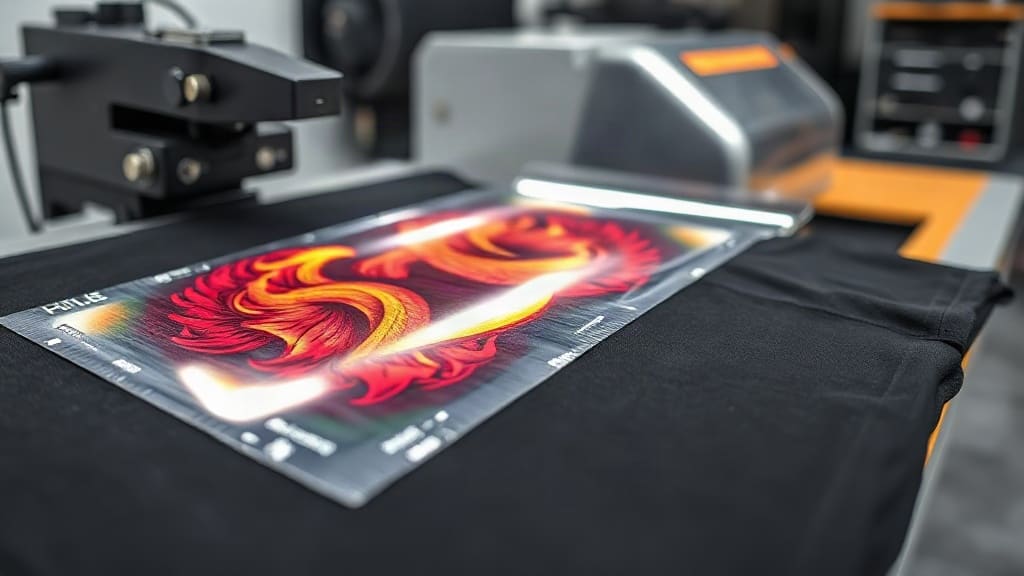
DTF transfers have become one of the most popular methods for custom printing in recent years. Whether you're a small business owner, a hobbyist, or just someone who loves personalized clothing, this technology offers a versatile and cost-effective way to produce high-quality designs. In this comprehensive guide, I'll walk you through everything you need to know about DTF transfers, including how they work, their benefits, and practical tips for getting the best results.
What Are DTF Transfers?
DTF stands for Direct to Film. It's a printing process where a design is printed onto a special film, coated with adhesive powder, and then heat-pressed onto a garment. Unlike traditional screen printing or heat transfer vinyl, DTF allows for full-color prints with intricate details, gradients, and even photographic images. The result is a soft, durable, and stretchable print that feels great on any fabric.
How Do DTF Transfers Work?
The DTF process involves several key steps:
- Printing: A specialized DTF printer prints the design onto a PET film using CMYK inks plus white ink. The white ink is essential for creating a base layer that ensures colors pop on dark garments.
- Adhesive application: After printing, a hot-melt adhesive powder is applied to the wet ink. This powder is what bonds the design to the fabric during the heat press.
- Curing: The film with the adhesive powder is then cured (heated) to melt the powder and fuse it with the ink. This step ensures that the transfer is ready to be pressed.
- Pressing: The cured film is placed on the garment, and a heat press applies pressure and heat (around 300°F) for a specific time (usually 10-15 seconds). The design transfers from the film to the fabric.
- Peeling: After pressing, the film is peeled away, leaving the design embedded in the fabric.
Why Choose DTF Transfers?
There are several reasons why DTF transfers stand out in the custom printing industry:
- Versatility: You can apply DTF transfers to a wide range of fabrics, including cotton, polyester, blends, and even nylon. Unlike some methods, they work well on both light and dark materials.
- Durability: The adhesive powder creates a strong bond that can withstand multiple washes without cracking or fading. This makes DTF ideal for items that get heavy use.
- Soft feel: DTF prints have a soft hand-feel compared to other transfer methods. The print is flexible and doesn't crack or peel easily, making it comfortable to wear.
- Cost-effective for short runs: If you need small quantities or custom orders, DTF is more affordable than screen printing, which often has setup fees and minimums.
- Full-color and detail: DTF printing can capture complex designs with many colors, gradients, and fine lines. This opens up creative possibilities that are difficult to achieve with vinyl or screen printing.
DTF Transfers vs. Other Methods
To understand the value of DTF, it helps to compare it with other popular printing techniques:
DTF vs. Screen Printing
Screen printing is excellent for large batches of simple designs with few colors. However, it requires significant setup time and cost. DTF is much easier to set up and is perfect for one-off or small-batch orders with complex artwork.
DTF vs. Vinyl Cutting
Vinyl cutting is limited to solid colors and can't handle gradients or photographic images. It also has a thicker feel on the garment. DTF offers full-color capabilities and a softer touch, making it superior for detailed designs.
DTF vs. DTG (Direct to Garment)
DTG printing is similar to DTF but prints directly onto the fabric. DTG requires a flat garment and can be slower for bulk orders. DTF transfers can be produced in advance and pressed quickly, making them more efficient for production.
How to Use DTF Transfers: A Step-by-Step Guide
If you're new to using DTF transfers, here's a practical guide to getting perfect results:
Step 1: Prepare Your Garment
Make sure your garment is clean and free of any residue. Pre-press it for a few seconds to remove moisture and wrinkles. This ensures a smooth surface for the transfer.
Step 2: Position the Transfer
Place the DTF transfer film on the garment with the printed side facing up. Use a heat-resistant tape to hold it in place if needed, especially for tricky areas like collars or seams.
Step 3: Heat Press Settings
Set your heat press to the recommended temperature and time. Typically, it's around 300°F (150°C) for 10-15 seconds with medium to firm pressure. But always check the manufacturer's instructions, as they can vary.
Step 4: Press and Peel
Place the garment in the press and apply even pressure. After the timer goes off, peel the film while it's still warm. Some prefer a hot peel, while others wait a few seconds. Experiment to find what works best for your equipment.
Step 5: Post-Press (Optional)
Some printers recommend a second press after peeling to ensure the adhesive is fully cured. If you're pressing on performance fabrics or unusual materials, a post-press can help.
Tips for Getting the Best DTF Results
Over the years, I've learned a few tricks that can make a big difference in the quality of your DTF transfers:
- Shake the adhesive powder well: Before applying it to the film, ensure the powder is evenly mixed. This helps achieve a consistent coat.
- Use the right film: Not all films are created equal. Opt for high-quality PET film designed for DTF printing to ensure proper ink adhesion and release.
- Control your environment: Humidity can affect the adhesive powder. Keep your workspace dry to avoid clumping.
- Test on scrap fabric: Before pressing a full batch, test on a piece of fabric to fine-tune your time and temperature settings.
- Store transfers properly: If you're making transfers to use later, store them in a cool, dry place. Exposing them to moisture or heat can reduce their effectiveness.
Common Mistakes to Avoid with DTF Transfers
Even experienced printers can run into issues. Here are some pitfalls to watch out for:
- Too much pressure: Excessive pressure can cause the adhesive to bleed or the design to distort. Start with medium pressure and adjust as needed.
- Not enough time: If you don't press long enough, the transfer may not fully adhere, leading to peeling after a few washes.
- Peeling too early: If you peel while the film is too hot, you might pull some of the ink away. Wait a few seconds if you're unsure.
- Using the wrong film: Some films are meant for cold peel, others for hot peel. Using the wrong one can ruin your print.
- Ignoring white ink: The white base is crucial for dark fabrics. If your printer doesn't have white ink, you'll need to print a separate white layer.
Creative Applications for DTF Transfers
One of the most exciting aspects of DTF is its versatility. Here are some creative ways to use it:
- Custom apparel: Create unique t-shirts, hoodies, and hats for events, teams, or personal use.
- Accessories: Print on tote bags, aprons, and even shoe fabric.
- Home décor: Add personalized touches to pillows, towels, or curtains.
- Small business products: Offer custom printing services without investing in expensive equipment.
Frequently Asked Questions About DTF Transfers
How many washes can DTF transfers withstand?
With proper application and care, DTF prints can last for 50 washes or more without significant fading or cracking. The key is to use good quality materials and follow the recommended washing instructions, which usually include turning the garment inside out and using cold water.
Can DTF transfers be used on any fabric?
DTF works best on cotton and cotton blends, but it also performs well on polyester, nylon, and even some leather-like materials. However, for very stretchy synthetic fabrics, you may need to adjust the press time and temperature to ensure the adhesive bonds properly.
Do I need a special printer for DTF transfers?
Yes, DTF requires a printer that can handle white ink and print on film. Many Epson and Ricoh printers can be converted for DTF use, but dedicated DTF printers are available as well. The important thing is that the printer can produce a white layer under the design.
What is the difference between DTF and sublimation?
Sublimation requires polyester or a polymer-coated surface, and the ink turns into gas and bonds with the fabric. DTF can print on natural fibers like cotton and uses an adhesive to bond a film to the garment, making it more versatile.
How do I store unused DTF transfers?
Keep them in a cool, dry place away from direct sunlight. If stored properly, they can last for months. Some people keep them in plastic bags with desiccants to prevent moisture absorption.
Conclusion
DTF transfers have revolutionized the custom printing industry by offering a flexible, durable, and affordable solution for anyone wanting to create personalized items. With the right equipment and a bit of practice, you can produce stunning designs that rival professional results. Whether you're looking to start a side business or just want to make unique gifts, DTF is a fantastic option to explore. So why not give it a try? You might be surprised at how easy and rewarding it is.