
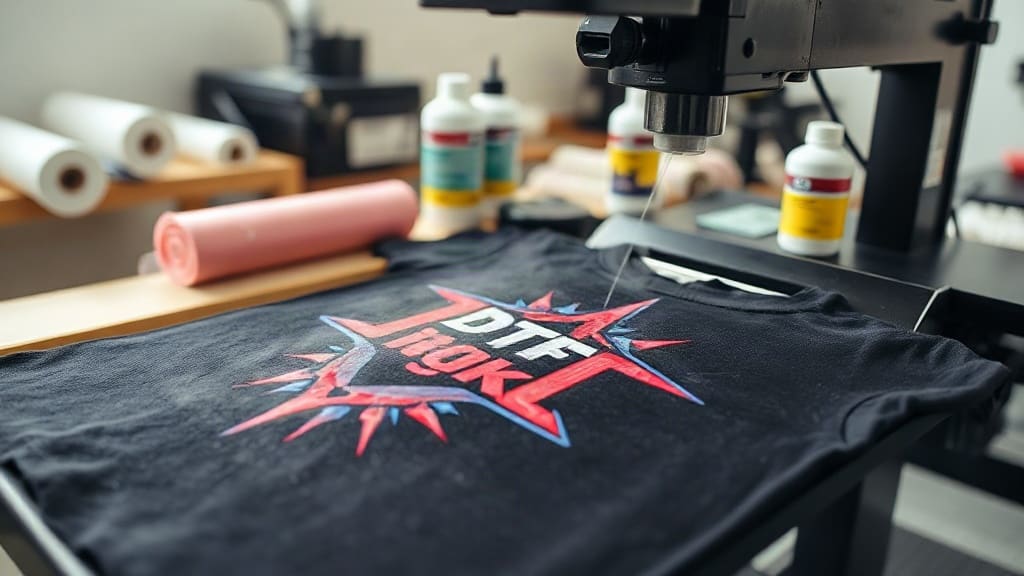
If you're in the custom printing world, you've likely heard about DTF transfers. But what exactly are they, and why are they taking the industry by storm? In simple terms, DTF (Direct to Film) transfers involve printing your design onto a special film, applying adhesive powder, and then heat-pressing it onto fabric. This method has become incredibly popular due to its versatility, vibrant colors, and ease of use. Whether you're a small business owner or a hobbyist, understanding this technology can open up a world of possibilities for your projects.
My first encounter with DTF transfers was a game-changer. I remember struggling with traditional screen printing for a small batch of custom t-shirts. The setup costs were high, and the process was time-consuming. Then, a friend introduced me to DTF, and I was amazed at how simple and efficient it was. Since then, I've used this method for countless orders, and it never fails to impress. In this guide, I'll share everything I've learned, from the basics to advanced tips, so you can make informed decisions and create stunning custom apparel.
What Are DTF Transfers?
Direct to Film printing, commonly known as DTF, is a relatively new printing technique that has revolutionized the custom apparel industry. The process involves printing a design onto a transparent PET film using specialized DTF printers and inks. After printing, a hot-melt adhesive powder is applied to the wet ink, which is then cured or melted to create a strong bond. The final step is transferring the design from the film to a substrate using a heat press. The result is a vibrant, durable print that can be applied to various materials, including cotton, polyester, blends, and even hard surfaces like mugs and phone cases.
How Does DTF Transfers Work?
To fully appreciate the value of DTF, it's essential to understand the step-by-step process. Here's a breakdown:
- Design and Print: Your artwork is printed in reverse onto a special PET film using DTF-specific printers and CMYK+W (white) inks. The white ink serves as an underbase for vibrant colors on dark garments.
- Adhesive Powder Application: While the ink is still wet, a hot-melt adhesive powder is applied over the printed area. This powder is what bonds the design to the fabric during heat transfer.
- Curing or Drying: The film is then passed through a dryer or heat source to cure the adhesive powder, turning it into a solid, tacky layer.
- Heat Transfer: The film is placed on the garment with the design facing down, and a heat press applies heat and pressure for a specific time (usually 15-30 seconds at around 300°F). The adhesive melts and fuses the ink into the fabric fibers.
- Peeling: After pressing, the film is peeled away, leaving behind a soft, flexible, and vibrant print.
This method is often compared to screen printing and heat transfer vinyl, but it offers unique advantages that make it a preferred choice for many.
Advantages of DTF Transfers Over Other Methods
When I first compared DTF to other techniques, I was skeptical. But after using it extensively, I've realized its true potential. Let me walk you through the key benefits:
- Versatility: DTF works on a wide range of fabrics, including difficult ones like nylon and leather, without needing a separate process. You can also print on hard surfaces like wood or glass.
- Vibrant Colors: The white underbase ensures colors pop on dark materials, and the print has a soft hand feel, unlike heavy plastisol prints.
- Cost-Effective for Small Orders: Unlike screen printing, there are no screens or setup fees, making it perfect for small batches or one-off custom pieces.
- Durability: DTF transfers are known for their exceptional washability. They can withstand multiple washes without cracking or fading, making them ideal for everyday wear.
- Easy to Use: Once you have the right equipment, the process is straightforward, making it accessible for beginners and pros alike.
- High-Detail Prints: You can achieve intricate designs with gradients, fine lines, and even photographic images, which are challenging with other methods.
Common Uses for DTF Transfers
DTF transfers are incredibly versatile, and their applications are only limited by your imagination. Here are some popular uses:
- Custom Apparel: T-shirts, hoodies, sweatshirts, and hats are the most common items. You can create unique designs for events, teams, or personal use.
- Workwear and Uniforms: DTF prints are durable enough for industrial laundering, making them suitable for employee uniforms.
- Promotional Products: From tote bags to mouse pads, DTF can add a professional touch to corporate giveaways.
- Footwear: Sneakers and canvas shoes can be customized with DTF transfers, offering a new dimension to shoe customization.
- Accessories: Phone cases, laptop sleeves, and even leather goods can be personalized with DTF prints.
DTF Transfers vs. Screen Printing vs. Heat Transfer Vinyl
Understanding the differences between DTF and other popular methods is crucial for making the right choice for your project. Here's a comparison:
- Screen Printing: This traditional method is cost-effective for large quantities but requires significant setup time and cost. It's less flexible for small orders and color variations.
- Heat Transfer Vinyl (HTV): HTV is great for simple designs with few colors, but it involves cutting weeding and layering, which can be time-consuming. It's also less durable and has a thicker feel.
- DTF Transfers: DTF combines the best of both worlds. It offers the durability and color vibrancy of screen printing with the flexibility and ease of HTV. Plus, it's perfect for small runs and complex designs.
In my experience, DTF has become my go-to method for most custom orders, especially when I need quick turnaround without compromising quality.
How to Start with DTF Transfers
Starting with DTF might seem daunting, but it's more approachable than you think. Here are the essential steps and equipment you'll need:
Essential Equipment
- DTF Printer: You can either invest in a dedicated DTF printer or convert an existing inkjet printer with a DTF conversion kit. Look for one that supports CMYK+W printing.
- DTF Inks: These inks are specially formulated to provide vivid colors and white opacity. Always use high-quality inks to ensure print longevity.
- PET Film: This is the film onto which you print. It needs to be compatible with DTF inks and have the right coating for proper ink adhesion.
- Adhesive Powder: This hot-melt powder is critical for the transfer. Choose a powder with fine particles for a softer feel.
- Heat Press: A reliable heat press with adjustable temperature and pressure is essential for consistent results.
- Shake and Cure Oven: Some setups include a shaker to apply powder and a curing oven to melt the adhesive. For beginners, you can use a heat press to cure the powder.
Step-by-Step Guide for Beginners
- Set up your printer: Install the DTF inks and ensure your printer is calibrated for film printing.
- Prepare your design: Use design software to create your artwork, and remember to mirror it before printing.
- Print on film: Load the PET film into the printer and print your design using the appropriate settings.
- Apply adhesive powder: While the ink is wet, sprinkle the adhesive powder evenly over the printed area. Use a shaker for best results.
- Cure the powder: Place the film in a curing oven or use a heat press to melt the powder. The temperature and time will depend on the powder type.
- Pre-press your garment: This removes moisture and wrinkles, ensuring a smooth transfer.
- Place the film: Position the design on the garment with the ink side down. Cover with a Teflon sheet to protect the film.
- Heat press: Apply pressure and heat for the recommended time (usually 20-30 seconds at 300°F).
- Peel the film: Once done, peel the film away while it's still hot or cold, depending on the film type. Most DTF films peel hot for a matte finish.
Tips for Perfect DTF Transfers
Over the years, I've picked up several tips that can make a significant difference in your results. Here are some pro tips:
- Use High-Quality Films and Inks: Cheap materials can lead to poor adhesion, cracking, or fading. Invest in reputable brands for best results.
- Maintain Your Printer: Regularly clean and calibrate your printer to avoid clogging and ensure color accuracy.
- Test Before Production: Always do a test transfer on a scrap fabric to check for issues like ink coverage or adhesive application.
- Adjust Heat Press Settings: Different substrates require different temperatures and times. For example, polyester needs lower heat than cotton.
- Store Your Transfers Properly: If you're making transfers in advance, keep them in a dry, cool place away from direct sunlight.
Cost Considerations
One of the biggest questions I get is about the cost. DTF printing can be more expensive upfront than some methods, but it's cost-effective for small runs. Here's a breakdown:
- Setup Costs: A DTF printer and accessories can range from a few hundred to several thousand dollars, depending on the quality and size.
- Per-Transfer Costs: The cost per transfer depends on the size, ink usage, and film. On average, a 4x4 inch transfer might cost around $1-2, while larger designs cost more.
- Labor Costs: DTF reduces labor compared to screen printing, as there's no screen setup or weeding involved.
For small businesses, DTF is a game-changer because it allows you to offer custom products without holding large inventory. You can print on demand and fulfill orders quickly.
Frequently Asked Questions
Can DTF transfers be used on any fabric?
Yes, DTF transfers work well on most fabrics, including cotton, polyester, nylon, and blends. However, the heat press temperature and time should be adjusted based on the fabric's tolerance. For delicate fabrics, always test a small area first.
How long do DTF transfers last?
With proper application and care, DTF transfers can last for many washes without significant fading or cracking. The key is to use high-quality materials and follow the recommended heat press settings. Washing garments inside out in cold water can extend the life of the print.
Do DTF transfers work on dark-colored garments?
Absolutely. One of the major advantages of DTF is the white ink underbase, which ensures that colors appear vibrant on dark fabrics. This makes DTF a preferred choice for black or navy shirts.
Can I use DTF transfers at home without professional equipment?
While professional equipment yields the best results, you can start with a desktop DTF printer and a heat press. Some hobbyists even use converted inkjet printers. However, be prepared for a learning curve and potential trial and error.
How do I care for DTF printed garments?
To maintain the quality of DTF prints, wash garments inside out in cold water and avoid using bleach. Tumble dry on low or hang dry. Ironing directly on the print is not recommended; if needed, iron on the reverse side.
Conclusion
DTF transfers have truly transformed the custom printing landscape. They offer a perfect balance of quality, durability, and versatility, making them a fantastic choice for both beginners and seasoned professionals. Whether you're looking to start a custom apparel business or simply want to create personalized gifts, mastering DTF technology can elevate your projects to the next level. With the right equipment and a bit of practice, you'll be producing stunning, long-lasting prints that rival any professional product. So, why not give it a try? The possibilities are endless.