
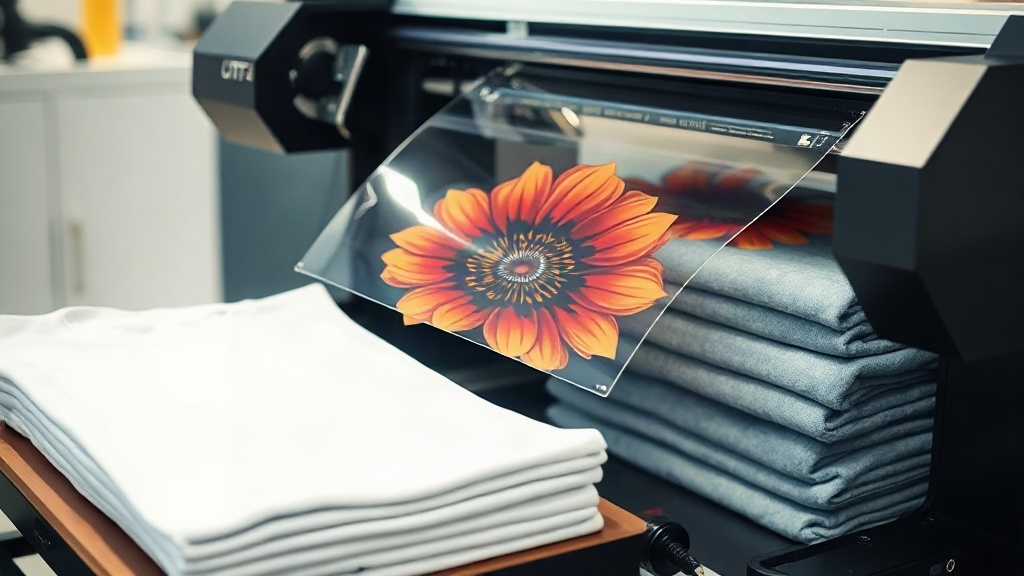
If you've ever wanted to create custom t-shirts, hoodies, or tote bags with vibrant, full-color designs, you've likely encountered the term DTF. DTF printing, or Direct to Film printing, is quickly becoming a favorite among hobbyists and professionals alike for its versatility and stunning results. Unlike traditional methods that require special papers or pretreatment, DTF opens up a world of possibilities for printing on almost any fabric. In this guide, we'll walk you through everything you need to know to get started with DTF printing, from the basic process to expert tips for flawless transfers.
What Exactly Is DTF Printing?
DTF stands for Direct to Film. It's a printing technique where your design is printed onto a special PET film using a DTF printer. The printer lays down a layer of white ink, followed by CMYK colors, and then a powdered adhesive is applied to the wet ink. This powder melts into the ink, creating a transfer that can be heat-pressed onto fabrics. The magic of DTF is that it works on a wide range of materials, including cotton, polyester, blends, and even leather. No need for weeding or masking, and the results are soft, stretchable, and durable.
Why DTF Is Gaining Popularity
Several factors make DTF a game-changer. First, it eliminates the need for color separation or multiple screens, making it cost-effective for small batches and complex designs. Second, the prints are incredibly detailed and can include gradients, photographs, and fine lines. Third, DTF transfers can be applied to dark and light garments without the need for a white underbase, saving time and materials. Finally, the durability of DTF prints is impressive; they withstand repeated washing without cracking or fading when applied correctly.
The DTF Printing Process Step by Step
Understanding the workflow helps you achieve consistent results. Here's a breakdown of the key stages.
1. Design Preparation
Start with a high-resolution image. For best results, use a PNG with a transparent background at 300 DPI. If your design has fine details, ensure they are at least 1-2 points thick to avoid them getting lost. Mirror your design horizontally before printing, as the transfer will be flipped when pressed.
2. Printing the Transfer
Load the PET film into your DTF printer. The printer will print a layer of white ink first, then the color layers on top. Some printers allow you to adjust the white ink density based on the fabric color. After printing, the film comes out with a wet, tacky surface.
3. Applying Adhesive Powder
While the ink is still wet, sprinkle the hot-melt adhesive powder evenly over the printed area. Gently shake off the excess. Then, cure the powder by heating the film in an oven or with a heat press at around 160°C (320°F) for 2-3 minutes. The powder melts and bonds with the ink, creating a dry, non-sticky transfer.
4. Heat Pressing onto Fabric
Set your heat press to 160°C (320°F) with medium pressure. Place the transfer on the garment with the printed side facing up. Press for 10-15 seconds. Let it cool completely before peeling off the film. For a softer feel, you can press again for a few seconds after peeling.
Choosing the Right DTF Printer and Supplies
When starting with DTF, your equipment choice matters. Entry-level printers like the Epson F2100 converted for DTF are popular, but dedicated DTF printers from brands like STS or Prestige offer better reliability. You'll also need quality PET film, adhesive powder, and inks. Don't skimp on supplies; cheap film can cause jams, and low-quality powder may lead to poor adhesion.
Common DTF Mistakes and How to Avoid Them
Even seasoned printers run into issues. Here are some pitfalls and solutions.
- Insufficient powder: If the transfer peels off, you likely didn't apply enough powder or didn't cure it properly. Ensure even coverage and correct curing temperature.
- Ink smudging: Handle the film carefully after printing; the ink is wet and can smudge. Use gloves and avoid touching the printed area.
- Poor adhesion: Make sure your fabric is clean and free of wrinkles. Pre-press the garment to remove moisture.
- Color fading: Use high-quality inks and follow the curing instructions. Under-cured ink can wash out over time.
DTF vs. Other Printing Methods
How does DTF stack up against vinyl, screen printing, and DTG? Vinyl is great for simple one-color designs but limited for complex images. Screen printing is cost-effective for large orders but requires setup and is not ideal for small batches. DTG (Direct to Garment) works well on cotton but struggles with polyester and dark colors. DTF bridges the gap: it handles intricate designs, works on almost any fabric, and is economical for both small and large runs. The only downside is the slightly higher cost per print compared to screen printing at high volumes, but the flexibility often outweighs that.
Tips for Stunning DTF Transfers
To get professional-looking results, follow these tips:
- Always test your settings on a scrap piece of fabric before pressing your final garment.
- Use a heat press, not an iron, for consistent temperature and pressure.
- Store unused transfers in a cool, dry place to prevent the powder from absorbing moisture.
- For stretchy fabrics, stretch the garment slightly before pressing to allow the transfer to move with the fabric.
- Clean your printer regularly to avoid clogged nozzles and inconsistent prints.
Frequently Asked Questions About DTF Printing
Can I use DTF on 100% polyester?
Yes, DTF works excellently on polyester, including athletic wear and swimwear. The low pressing temperature (around 160°C) prevents the fabric from melting or scorching, and the transfer stretches with the material.
How long do DTF prints last?
When applied correctly, DTF prints can last as long as the garment itself. They withstand 50+ washes without cracking or fading if you turn the garment inside out and wash in cold water. Avoid bleach and high heat in the dryer.
Do I need a special printer for DTF?
You can convert certain inkjet printers (like Epson) to DTF with a conversion kit, but dedicated DTF printers are more reliable and produce higher quality results. They are designed to handle the white ink and powder system efficiently.
What fabrics can I print on with DTF?
DTF adheres to cotton, polyester, blends, nylon, leather, and even some treated woods. It's one of the most versatile printing methods available. However, fabrics with a heavy water-repellent coating may require special pretreatment.
Is DTF printing cost-effective for small businesses?
Absolutely. DTF has a low setup cost compared to screen printing, and you can print one-off designs without minimums. The cost per print is reasonable, especially when you factor in the ability to print full-color, detailed images without weeding or multiple screens.