
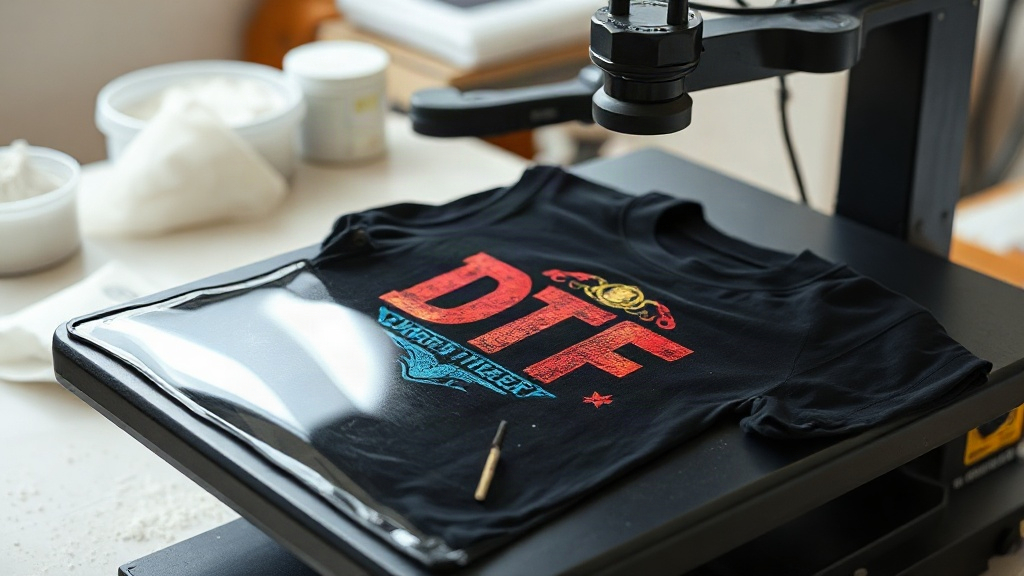
If you've been exploring custom apparel decoration, you've likely encountered DTF printing. Unlike traditional methods that require specific fabrics or extensive setup, DTF (Direct to Film) printing offers a versatile solution that works on cotton, polyester, blends, and even nylon. Whether you're a small business owner, a hobbyist, or a seasoned screen printer looking to expand your offerings, understanding DTF printing can open up new creative and profitable avenues. In this guide, we'll walk through the entire process, from artwork preparation to the final press, and share practical tips to help you achieve professional, wash-resistant results every time.
What Exactly Is DTF Printing?
DTF printing is a digital printing technology where your design is printed onto a special PET film using water-based pigment inks. A thermoplastic powder adhesive is then applied to the wet ink, and the film is cured. When you're ready to apply the design, you place the film onto your garment and use a heat press to transfer the ink and adhesive permanently. The result is a soft, stretchable print that bonds strongly to the fabric. Unlike DTG (Direct to Garment), DTF doesn't require pre-treatment, and it can be used on dark and light garments alike without needing a white underbase printed directly on the shirt. This makes it incredibly efficient for small batches and complex designs with fine details.
Why Choose DTF Over Other Printing Methods?
There are several reasons why DTF printing has gained massive popularity. First, it eliminates the fabric restrictions of DTG and screen printing. You can print on 100% cotton, 100% polyester, 50/50 blends, spandex, leather, and even canvas. Second, the color vibrancy is outstanding. Because the design is printed on a film, you can achieve bright whites and vivid colors on dark garments without multiple passes. Third, the setup cost is minimal. There's no need for screens, and you can print one-off designs or large runs with equal ease. Finally, the durability is impressive when applied correctly; a properly pressed DTF transfer can outlast the garment itself, withstanding dozens of washes without cracking or fading.
Step-by-Step DTF Printing Process
To get started with DTF printing, you'll need a few key pieces of equipment: a DTF printer (or access to a printing service), DTF film, DTF powder, and a heat press. Let's break down the workflow.
1. Artwork Preparation
Your design should be in a high-resolution format, preferably PNG with a transparent background. Remember that DTF prints are mirrored, so you need to flip your design horizontally before printing. Also, ensure your colors are in CMYK or RGB depending on your printer's profile, and consider adding a white underbase layer if your design has light colors that need to pop on dark fabrics.
2. Printing the Film
Load your DTF film into the printer, ensuring the coated side is facing the printhead. The printer will lay down the CMYK inks and then the white ink layer. The white layer is crucial for opacity on dark garments. After printing, you'll have a wet film with your design.
3. Applying the Powder
While the ink is still wet, sprinkle DTF powder evenly over the printed area. The powder should stick only to the ink. Gently shake off the excess powder, and you can reuse it. This powder is the adhesive that will bond the print to the fabric.
4. Curing the Film
Place the powdered film in a curing oven or under a heat press at around 320°F (160°C) for 2-3 minutes. The powder will melt and become glossy. Curing is essential for durability; under-cured transfers may wash off.
5. Heat Pressing the Transfer
Set your heat press to 320°F (160°C) with medium pressure. Pre-press the garment for a few seconds to remove moisture. Place the cured film on the garment, cover with a Teflon sheet or parchment paper, and press for 15-20 seconds. Let it cool completely before peeling the film. For a softer feel, you can peel while warm, but cold peel often yields better adhesion.
Common DTF Printing Challenges and Solutions
Even with the right equipment, you might run into issues. Here are some common problems and how to fix them:
- Faded or dull colors: Increase the white ink layer or check your printer's color profile.
- Powder not sticking: Ensure the film is printed with enough ink density and that the powder is applied immediately while wet.
- Transfer peeling after wash: Increase pressing time or pressure, or try a cold peel.
- Film jamming: Adjust the printer's platen gap and use high-quality film.
Choosing the Right Materials for DTF
Not all DTF films and powders are created equal. For best results, use a film designed specifically for DTF printing, typically 75-100 microns thick. Cheaper films may cause ink smearing or poor powder adhesion. Similarly, the powder should be a fine, uniform TPU (thermoplastic polyurethane) powder with a melting point around 230-250°F. Using the correct materials will save you time and reduce waste. Additionally, consider the garment fabric: while DTF works on many materials, stretchy fabrics like spandex may require a stretchable powder to prevent cracking.
DTF vs. Other Printing Methods: A Quick Comparison
How does DTF stack up against DTG, screen printing, and vinyl? DTG is great for 100% cotton but struggles on polyester and dark shirts. Screen printing offers excellent durability and cost-efficiency for large orders but has high setup costs and limited colors. Vinyl is cost-effective for simple one-color designs but can't handle complex images. DTF bridges the gap: it handles complex, full-color designs on almost any fabric, with no minimum order and low setup. The trade-off is a slightly higher cost per print for large runs compared to screen printing, but for small to medium businesses, the flexibility is unbeatable.
Tips for Long-Lasting DTF Prints
To ensure your DTF prints survive repeated washing, follow these best practices:
- Wash the garment inside out in cold water.
- Avoid using fabric softeners or bleach.
- Tumble dry on low or hang dry.
- Do not iron directly on the print; if needed, iron inside out.
- Wait at least 24 hours after pressing before the first wash to allow the adhesive to fully set.
These simple steps can dramatically extend the life of your prints, keeping your customers happy and your reputation intact.
Frequently Asked Questions About DTF Printing
Can I use DTF on 100% polyester?
Yes, DTF printing works exceptionally well on polyester. In fact, it often outperforms DTG on polyester because the adhesive bonds well to synthetic fibers. Just be mindful of the heat press temperature; polyester can scorch at high temperatures, so use a lower temperature (around 280-300°F) and a shorter press time.
How do I prevent the DTF transfer from cracking?
Cracking usually occurs due to under-curing, insufficient pressure, or using too much powder. Ensure your film is fully cured, apply even pressure across the entire transfer, and use a minimal amount of powder. Also, stretching the garment excessively while wearing can cause cracks, but a properly applied transfer should stretch with the fabric.
What is the shelf life of a DTF transfer?
If stored properly in a cool, dry place away from direct sunlight, a cured DTF transfer can last up to 6 months to a year. However, for best results, use them within a few weeks. Humidity can affect the powder, so keep them in an airtight container with desiccant packs.
Do I need a special printer for DTF?
You can convert an existing inkjet printer to use DTF inks, but it's recommended to use a printer designed for DTF to avoid clogging and ensure proper white ink circulation. Many affordable DTF printers are now available, or you can outsource printing to a service if you're just starting.
How much does DTF printing cost per shirt?
The cost per print depends on the design size and your equipment. On average, materials (film, ink, powder) cost about $1-$3 for an A4-sized print. When you factor in labor and equipment depreciation, you can still achieve a healthy profit margin, especially for small orders where screen printing isn't economical.
With its versatility, vibrant results, and growing community support, DTF printing is a fantastic addition to any apparel decorator's toolkit. Whether you're just starting or looking to diversify, mastering DTF can set you apart in a competitive market. Remember, practice makes perfect, so don't be afraid to experiment with different fabrics and settings to find what works best for you.