
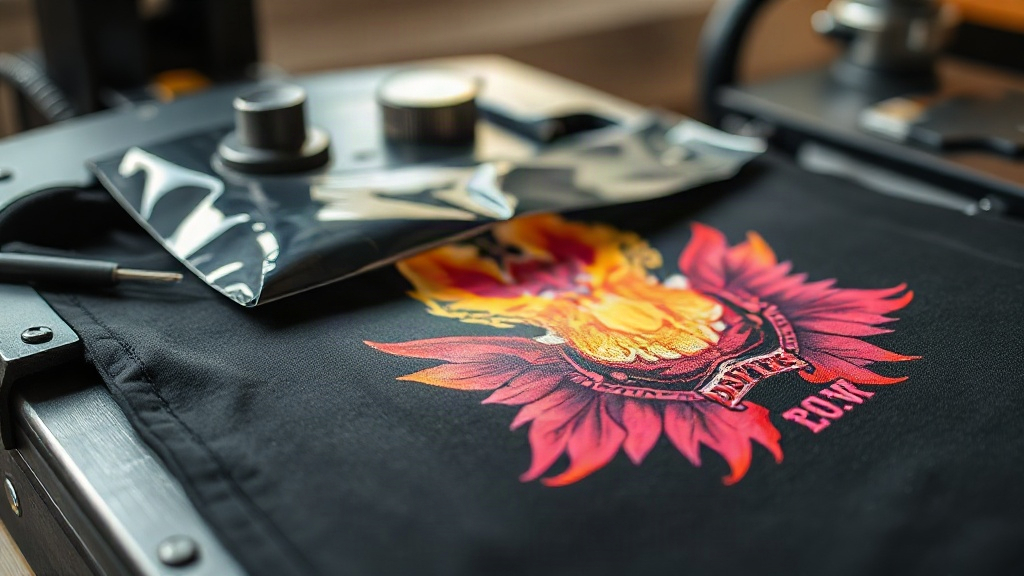
If you are in the custom apparel business, you have likely heard about DTF transfers. This technology has rapidly become a go-to solution for printing detailed, colorful designs on a wide range of fabrics. Unlike older methods that require specific materials or complicated setups, DTF transfers offer flexibility, durability, and stunning results. Whether you are a small business owner, a hobbyist, or a professional printer, understanding DTF transfers can open up new possibilities for your projects.
What Are DTF Transfers?
DTF stands for Direct to Film. It is a printing process where your design is printed onto a special PET film using water-based inks, then coated with a hot-melt adhesive powder. Once the powder is cured, the transfer is ready to be applied to fabric using a heat press. The magic of DTF transfers lies in their ability to bond with virtually any fabric, including cotton, polyester, blends, and even leather. This versatility sets them apart from other decoration methods like screen printing or vinyl cutting.
The process begins with a digital printer that lays down CMYK plus white ink. The white ink acts as a base, allowing the colors to pop even on dark garments. After printing, the film is powdered and cured, which gives the transfer its stretch and wash durability. When you apply heat and pressure, the adhesive melts and fuses with the fabric fibers, creating a permanent bond.
Why Choose DTF Transfers Over Other Methods?
There are several reasons why DTF transfers have gained such a loyal following. First, they eliminate the need for color separation and screens, making short runs and one-offs cost-effective. You can print a single shirt with a full-color design without breaking the bank. Second, DTF transfers work on dark and light fabrics without the need for a white underbase, which is a common headache in screen printing. Third, the prints are incredibly stretchy, so they move with the fabric without cracking or peeling.
Another advantage is the level of detail you can achieve. Because it is a digital process, you can reproduce fine lines, gradients, and photographic images with ease. This makes DTF transfers ideal for complex artwork that would be difficult or impossible to screen print. Additionally, the colors are vibrant and opaque, even on black or navy garments.
How to Apply DTF Transfers Correctly
Getting a professional finish with DTF transfers requires attention to a few key steps. Here is a breakdown of the application process:
- Preheat the garment: Remove moisture and wrinkles by pressing the fabric for a few seconds. This ensures a smooth surface for the transfer.
- Position the transfer: Place the film with the printed side down onto the fabric. Use heat-resistant tape if needed to keep it in place.
- Press: Apply medium to high pressure at 300-325°F (150-160°C) for 10-15 seconds. The exact settings may vary by film and press, so always test.
- Peel: Wait for the transfer to cool completely (cold peel) or peel while warm (hot peel) depending on the film instructions. Cold peel is most common for DTF.
- Post-press: For added durability, press the design again for 5-10 seconds with a protective sheet or parchment paper.
Following these steps will give you a wash-resistant, stretchable print that looks great wash after wash.
Common Mistakes to Avoid with DTF Transfers
Even though DTF transfers are forgiving, some errors can ruin your results. Here are pitfalls to watch out for:
- Insufficient pressure: Without enough pressure, the adhesive won't bond properly, leading to early peeling.
- Wrong temperature: Too low and the powder won't melt; too high and you risk scorching the film or fabric.
- Peeling too early or too late: Always follow the film's peel recommendation. Cold peel means wait until it's completely cool.
- Not pre-pressing: Moisture in the fabric can cause steam pockets and poor adhesion.
- Using the wrong film: Some films are designed for specific fabrics or effects (e.g., glitter, glow). Match the film to your project.
By avoiding these mistakes, you'll achieve consistent, high-quality results.
DTF Transfers vs. Other Printing Methods
How do DTF transfers stack up against screen printing, DTG, and vinyl? Let's compare:
- Screen printing: Great for large runs, but expensive for small orders and limited in color complexity. DTF wins for short runs and detailed art.
- DTG (Direct to Garment): Best for 100% cotton, but requires pre-treatment and can be less vibrant on dark shirts. DTF works on more fabrics and often has better opacity.
- Vinyl (HTV): Good for simple shapes and text, but not for multi-color designs. DTF handles full-color images with ease.
Ultimately, DTF transfers offer a unique combination of versatility, durability, and cost-effectiveness that makes them a top choice for many applications.
Tips for Buying and Storing DTF Transfers
If you're outsourcing your transfers, choose a reputable supplier that uses quality inks and films. Look for transfers that are printed with high-resolution and have a consistent powder coating. When you receive them, store them in a cool, dry place away from direct sunlight. Keep them flat or rolled, not folded, to prevent creasing. Proper storage ensures they remain usable for months.
For those printing in-house, invest in a good DTF printer and curing oven. The learning curve is manageable, and the payoff is greater control over quality and turnaround.
Frequently Asked Questions About DTF Transfers
How durable are DTF transfers after washing?
When applied correctly, DTF transfers can withstand dozens of washes without fading, cracking, or peeling. To maximize longevity, wash garments inside out in cold water and avoid harsh detergents or high heat drying.
Can I use DTF transfers on polyester?
Yes, DTF transfers adhere well to polyester and polyester blends. However, because polyester can be heat-sensitive, use a lower temperature (around 280-300°F) and test first to avoid scorching or dye migration.
Do DTF transfers require a special heat press?
Any heat press that can maintain consistent temperature and pressure will work. A clamshell or swing-away press is fine. Just ensure you can set the temperature accurately and apply even pressure across the platen.
What is the difference between hot peel and cold peel DTF transfers?
Hot peel films allow you to remove the carrier sheet immediately after pressing while the transfer is still hot. Cold peel films require you to wait until the transfer cools completely before peeling. Cold peel is more common and generally yields a smoother finish.
Can I layer DTF transfers?
Yes, you can layer DTF transfers to create multi-color or multi-layer designs. Press the first layer, then apply the second on top, pressing each according to the instructions. This technique is great for adding highlights or special effects.