
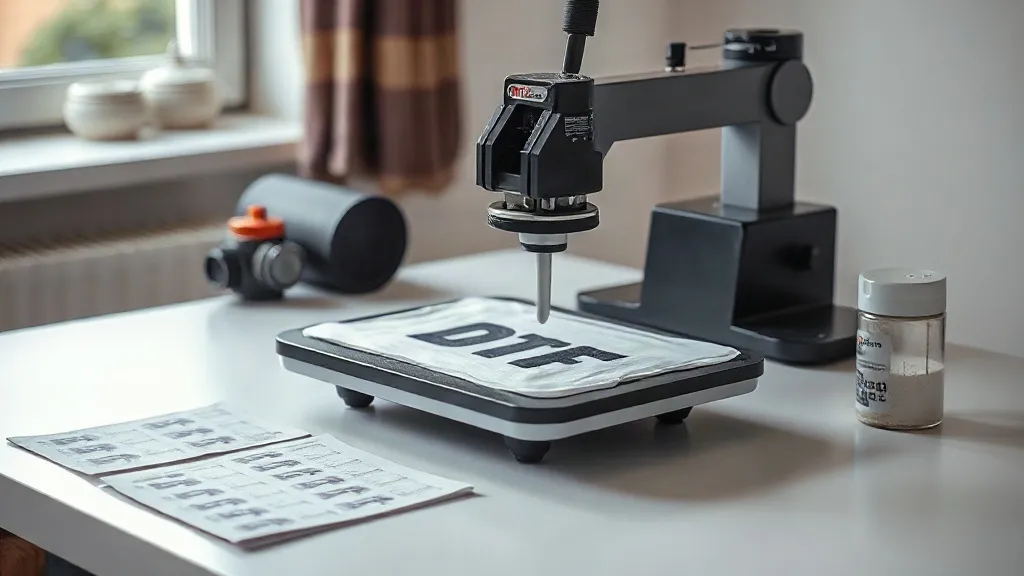
You have probably heard the advice to always do a test print, but do you actually do it? If you are like many shop owners, you might skip the sample press when you are busy, only to regret it when a large order goes wrong. In the world of dtf transfers, a sample press is not just a good habit; it is a profit-saving strategy. This article explores why a dedicated sample press should be a non-negotiable step in your workflow and how to execute it effectively.
Why a Sample Press Matters More Than You Think
DTF printing involves several variables: ink, powder, film, fabric, and press settings. Even if you have dialed in your process, small changes can throw off results. A new roll of film might behave differently, humidity could affect powder adhesion, or a new garment style might need different pressure. A sample press isolates these variables on a small scale, allowing you to catch issues before they affect an entire order.
Consider this: a single misprint on a large order can cost you not only the materials but also the time to redo the job and the potential damage to your reputation. A five-minute sample press can prevent that.
What Exactly Is a Sample Press?
A sample press is a small-scale test of your entire DTF process, from design to finished garment. It involves printing a small version of your design, applying powder, curing, and pressing it onto a scrap piece of the actual fabric you will use for the order. This gives you a realistic preview of the final result.
Why Not Just Use a Scrap Garment?
Using a scrap piece of the same fabric is crucial because different fabrics interact differently with dtf transfers. A cotton t-shirt might accept the transfer perfectly, while a polyester blend could require different pressure or temperature. The sample press on the actual fabric tells you exactly how the transfer will behave.
How to Perform a Sample Press: Step by Step
Follow these steps to make your sample press a quick and informative part of your routine.
1. Choose the Right Design for Testing
Select a design that includes fine details, small text, and a range of colors. This will test the resolution and color vibrancy of your dtf transfers near me supplier. If you are printing a multi-color design for a client, use that design for the sample.
2. Print a Small Version
Scale down the design to about 3x3 inches. This saves film and powder while still giving you enough area to evaluate the print quality. Ensure the print settings (resolution, color profile) match what you will use for the full order.
3. Apply Powder and Cure
Follow your standard powder application and curing process. Pay attention to how the powder adheres; any inconsistencies here could indicate moisture issues or powder quality problems.
4. Press on the Actual Fabric
Use a piece of the exact fabric you will use for the order. Set your press to the recommended temperature and pressure for that fabric. Press the transfer, then peel according to your usual method (cold or hot).
5. Evaluate the Result
Check for the following:
- Color accuracy: Does the print match your design?
- Detail sharpness: Are fine lines and small text crisp?
- Adhesion: Does the transfer stick fully without lifting at edges?
- Hand feel: Is the print too stiff or appropriately soft?
- Stretch: If the fabric stretches, does the print stretch with it without cracking?
If any issues arise, adjust your process before starting the full order.
Common Issues a Sample Press Reveals
A sample press can uncover problems that are easy to miss until it is too late. Here are some common issues and what they indicate.
Color Shifts
If the colors look dull or off, your ink might be old, or your color profile could be incorrect. A sample press helps you catch this early.
Poor Adhesion
If the transfer peels or lifts, it could be due to insufficient pressure, incorrect temperature, or fabric moisture. Adjust accordingly.
Detail Loss
Blurry or filled-in details might mean your film is not compatible with your ink, or your printer settings need tweaking.
Powder Problems
Excess powder or uneven coverage can cause a rough texture. This might be due to humidity or powder quality.
Integrating Sample Press into Your Workflow
To make sample pressing a habit, incorporate it into your pre-production checklist. Treat it as a mandatory step, just like checking ink levels. Keep a log of sample press results for each fabric type and design; this builds a reference library that speeds up future jobs.
Choosing a Reliable Supplier for Consistent Results
The quality of your dtf supplies directly impacts the reliability of your sample press. A supplier that provides consistent film, powder, and ink reduces the variables you need to manage. When evaluating dtf transfers near me, look for providers who offer samples and have clear specifications. A good supplier will be a partner in your quality control.
Frequently Asked Questions
How often should I do a sample press?
At minimum, do a sample press for every new design, fabric type, or when you change supplies (new roll of film, new batch of powder). If you run a high-volume shop, consider a daily sample press to ensure consistency.
Can I reuse the sample print?
Generally, no. Once pressed, the transfer is fused to the fabric and cannot be reused. However, you can keep the sample as a reference for future orders.
What if my sample press looks perfect but the full order fails?
If the sample was perfect but the full order failed, the issue likely lies in a variable that changed between the sample and the full run, such as fabric moisture, press temperature drift, or inconsistent powder application. Always monitor these factors during production.
Do I need a separate heat press for samples?
No, you can use your main press. Just ensure it is properly set and stable before sampling.
How can I reduce waste from sample presses?
Use small design sizes and scrap fabric. Keep a dedicated bin for sample materials. Over time, you will find that the waste from samples is far less than the waste from failed orders.
A sample press is a small investment of time that pays off in consistent quality and happy customers. Make it a core part of your DTF process, and you will see the difference in your bottom line.