
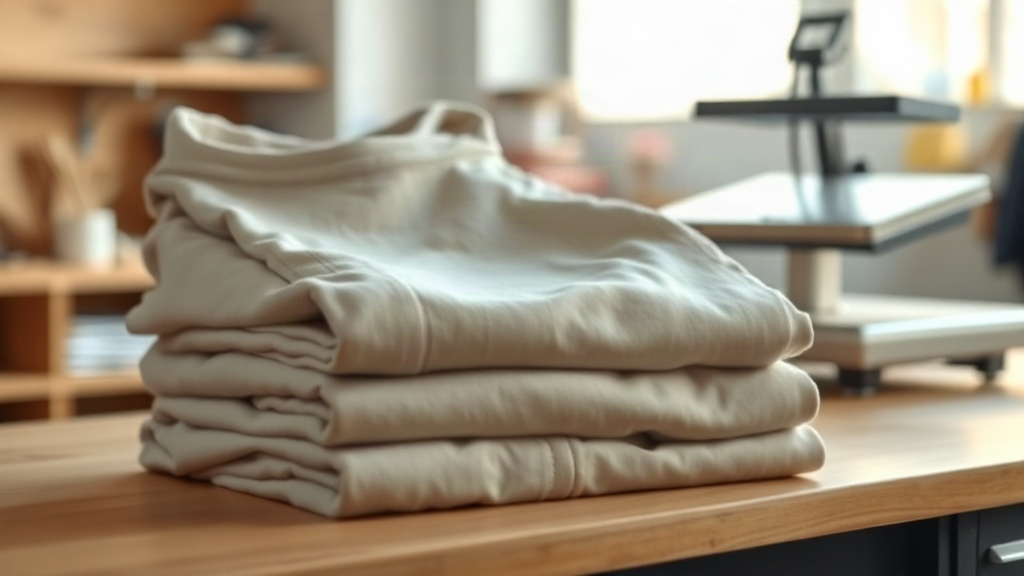
If you have spent any time around screen printers, DTF shops, or streetwear resellers, you have probably heard the name shaka wear come up more than once. The brand has quietly become a go-to for people who need blanks that feel substantial, take a print cleanly, and do not fall apart after a few washes. It is not a flashy label with celebrity endorsements or limited drops. It is a workhorse brand, and that is exactly why it keeps showing up in orders.
This guide breaks down what shaka wear actually offers, how the fabrics and fits compare, and what to check before you commit to a bulk order for your own printing or resale business.
What Shaka Wear Is Known For
Shaka Wear started as a Los Angeles based apparel company focused on basics: t-shirts, hoodies, and fleece. Over time it built a reputation among decorators for consistent sizing and heavier fabric weights than the typical budget blank. If you have ever pulled a thin, almost translucent tee out of a wholesale pack, you know how much that consistency matters.
The core appeal comes down to three things:
- Fabric weight. Many styles sit in the 6.0 to 7.5 oz range, which gives them a structured drape instead of the limp feel of lighter blanks.
- Print compatibility. The cotton and cotton-blend surfaces accept DTF transfers, screen printing, and vinyl without excessive ink bleed or cracking.
- Price-to-quality ratio. You get a heavier garment without jumping into premium boutique pricing.
That combination is why small print shops and independent brands treat shaka wear as a reliable default rather than a gamble.
Fabric Weights and What They Mean for Printing
Weight is not just a marketing number. It changes how a shirt hangs, how it feels against skin, and how well it holds a print over time. Here is a rough breakdown of what you will typically encounter.
Lightweight Options (Around 5.5 to 6.0 oz)
These are the closest thing to a standard retail tee. They work well for warm climates, layered looks, and large orders where cost per unit matters. DTF transfers adhere cleanly, but very fine detail lines can lose a bit of crispness on thinner fabric because there is less surface to grip. If your design has thin type or intricate halftones, a heavier option usually serves you better.
Midweight Options (Around 6.5 to 7.0 oz)
This is the sweet spot for most print work. The fabric has enough body to support a full-front DTF transfer without the design pulling or distorting the shirt shape. It also drapes well on different body types, which matters if you are selling one design across a wide size range.
Heavyweight Options (7.5 oz and Up)
Heavyweight shaka wear pieces feel closer to workwear or vintage-inspired streetwear. They are excellent for hoodies, oversized tees, and any product where structure is part of the look. One practical note: heavier cotton can take slightly longer to press because heat needs to penetrate evenly. Adjust your DTF press time and pressure rather than assuming the same settings you use on a 5.5 oz tee will work.
Fits, Sizing, and Fit Consistency
Fit is where a lot of blank brands fall apart. A size medium from one production run should not fit like a large from the next. Shaka Wear tends to hold its sizing more steadily than many budget alternatives, but there are still variations between styles.
A few things worth knowing before you order:
- Classic crew neck tees generally run true to size with a slightly relaxed body.
- Oversized and boxy cuts intentionally run larger, so check the spec sheet rather than assuming a size up.
- Hoodies and fleece tend to have a roomier shoulder and chest than the tees.
If you are printing for a client who is picky about fit, order one sample in each size before running the full job. It costs a little upfront and saves a lot of reprints later.
How Shaka Wear Performs With DTF Transfers
DTF printing has become the default method for small and mid-size runs because it handles full-color artwork without setup fees or minimum quantities. The transfer bonds to the fabric through a heat press, which means the fabric surface directly affects the final result.
Cotton-rich shaka wear blanks generally press well because the fibers absorb the adhesive evenly. Here is a practical workflow that works reliably:
- Pre-press the garment for a few seconds to remove moisture and wrinkles.
- Position the transfer and press at the temperature your film manufacturer recommends, usually around 300 to 320 degrees Fahrenheit.
- Use medium to firm pressure for 10 to 15 seconds.
- Peel according to your film type, hot or cold, then press again briefly with a cover sheet for a softer finish.
On 100 percent cotton, the result is typically vivid with strong wash durability. On cotton-poly blends, colors can look slightly muted because the polyester fibers interact differently with the adhesive, but the tradeoff is often a smoother surface for fine detail.
Choosing the Right Piece for Your Product Line
Not every project needs the same garment. Matching the blank to the design and the customer is most of the battle.
For Graphic Tees and Streetwear Drops
Go with a midweight to heavyweight tee in a boxy or relaxed cut. The heavier fabric gives large back prints and bold graphics a solid canvas, and the structure reads as intentional rather than cheap.
For Uniforms and Team Orders
A classic midweight crew neck is usually the safest pick. It fits a wide range of body types, prints cleanly, and holds up to repeated washing, which matters when a team wears the same shirt weekly.
For Hoodies and Cold-Weather Merch
Heavyweight fleece hoodies are the clear choice. Look for a brushed interior and a substantial drawcord. These pieces carry higher price points, so the perceived quality of the blank has a direct effect on what customers are willing to pay.
What to Check Before a Bulk Order
Ordering in volume is where small mistakes get expensive. A few habits keep things smooth:
- Request a spec sheet for each style, including fabric content, weight, and measured dimensions.
- Confirm current stock levels, since popular sizes and colors sell out quickly.
- Press a test transfer on one garment before running the whole batch.
- Check for shade consistency if you are mixing dye lots across a large order.
These steps take an afternoon and prevent the kind of mismatch that turns a profitable job into a headache.
Frequently Asked Questions
Is Shaka Wear good quality for DTF printing?
Yes, particularly the cotton and cotton-rich styles. The heavier fabric weights give the transfer a stable surface, which reduces cracking and peeling over time. As with any blank, results depend on using the correct press temperature, pressure, and peel method for your specific film.
Does Shaka Wear run true to size?
Most classic crew neck tees run true to size with a slightly relaxed fit. Oversized and boxy styles intentionally run larger, so check the individual spec sheet before ordering. Ordering one sample per size is the safest approach for client work.
What is the difference between Shaka Wear and other blank brands?
The main differences are fabric weight and consistency. Many budget blanks sit in the 4.5 to 5.5 oz range, while Shaka Wear frequently offers heavier options at a similar or slightly higher price. That extra weight translates into better drape, better print support, and a more premium feel for the end customer.
Can I use Shaka Wear blanks for resale?
Yes, many independent brands and print shops use them as the base for their own labeled products. Just confirm the specific style and color are in stock at the time of your order, and always test print before committing to a large run.
How should I wash a printed Shaka Wear shirt?
Turn the garment inside out, wash in cold water on a gentle cycle, and avoid fabric softener, which can break down the transfer adhesive. Tumble dry on low or hang dry. Following these steps keeps the print and the fabric in good shape for far longer.
Final Thoughts
Shaka Wear earns its place in print shops and streetwear closets for practical reasons: heavier fabric, dependable sizing, and surfaces that take a DTF transfer without drama. It is not trying to be a luxury label, and that is part of the appeal. If you are building a product line or running client orders, it is a blank worth testing. Start with a sample, dial in your press settings, and let the finished garment make the case for itself.